Cedar Park Canopies: The Art and Science of Tree Trimming
Cedar Park, renowned for its scenic beauty and lush greenery, owes much of its charm to the graceful canopy of trees that lines its streets and parks. Among the various tree maintenance practices, tree trimming stands out as an artful science, a delicate balance between aesthetic appeal and the health of the trees. In this article, we delve into the world of Cedar Park canopies, exploring the art and science behind the meticulous practice of the service.
Understanding the Art of Tree Trimming
Tree trimming, often regarded as the art of shaping nature, is a practice deeply rooted in the aesthetics of landscape design. Cedar Park's urban planners and arborists understand the importance of trees not just as providers of shade and oxygen but as living sculptures that enhance the visual appeal of the environment.
Aesthetic Pruning Techniques
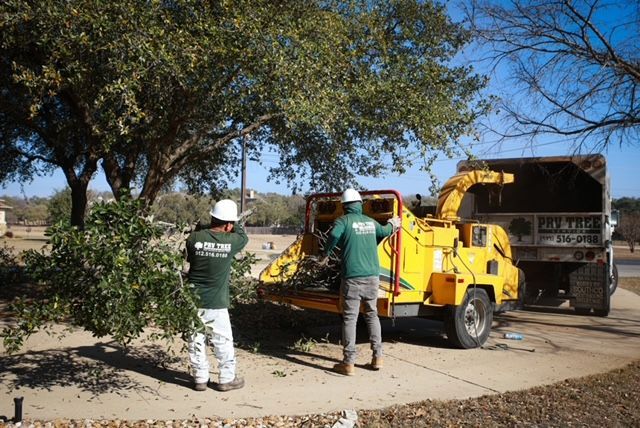
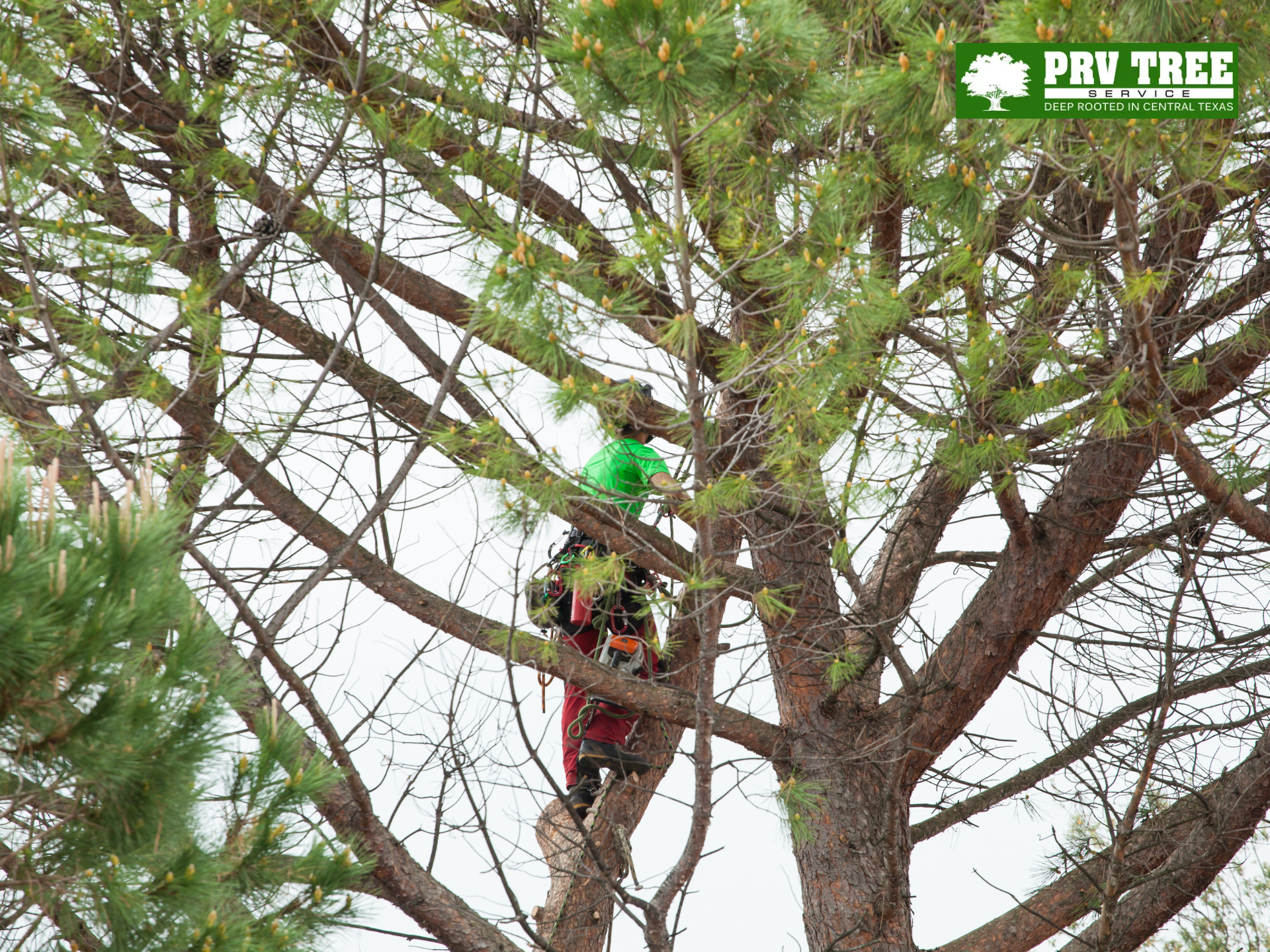
Aesthetic pruning is an essential aspect of the art of tree trimming in Cedar Park, TX. Arborists employ various techniques to enhance the visual appeal of trees while maintaining their overall health. Crown shaping, for instance, involves carefully pruning branches to create a balanced and visually pleasing canopy. This technique is particularly important in Cedar Park, where the beauty of the tree-lined streets is a defining characteristic of the city.
Additionally, selective pruning is employed to remove dead or diseased branches, promoting both the safety and aesthetic value of the trees. Properly pruned trees not only look better but are also less prone to diseases and pests, contributing to the overall health of Cedar Park's urban forest.
Seasonal Considerations in Tree Trimming
The art of tree trimming in Cedar Park is not a one-size-fits-all endeavor; it takes into account the unique seasonal changes that impact the trees. Arborists carefully plan their trimming schedules, considering factors such as the type of tree, its growth patterns, and the local climate.
In the spring, for instance, when trees are actively growing, arborists focus on shaping and removing unwanted branches. Summer is the time for corrective pruning, addressing any issues that may have arisen during the rapid growth of spring. Fall is crucial for deadwood removal, as well as thinning the canopy to allow more light to penetrate. Winter, when trees are dormant, is an opportune time for major structural pruning without causing stress to the tree.
This seasonal approach not only contributes to the aesthetic appeal of Cedar Park but also ensures the long-term health and vitality of its trees. The harmonious coexistence of the urban landscape and nature is a testament to the thoughtful and artistic approach to tree trimming in the city.
Understanding the Science of Tree Trimming
While the art of Cedar Park tree trimming focuses on the visual and aesthetic aspects, the science behind it delves into the physiological well-being of trees. Cedar Park's commitment to preserving its green spaces requires a comprehensive understanding of the biological processes that govern tree growth and development.
Physiological Benefits of Tree Trimming
Proper tree trimming goes beyond appearances; it plays a crucial role in maintaining the physiological health of trees. Thinning the canopy, for example, allows for better air circulation and sunlight penetration, reducing the risk of fungal diseases. Well-pruned trees are also less susceptible to pest infestations, as the removal of dead or weak branches eliminates potential breeding grounds.
Moreover, strategic pruning can stimulate new growth and enhance the overall structure of the tree. This is particularly important in Cedar Park, where a diverse range of tree species coexists. Understanding the specific needs of each species and tailoring the trimming process accordingly ensures the sustained health and vitality of the urban forest.
Conclusion
In the heart of Cedar Park, where the harmony between urban development and natural beauty is evident, the art and science of tree trimming converge to create a cityscape that is both visually stunning and ecologically sustainable. The meticulous techniques employed by arborists reflect a deep understanding of the delicate balance required to maintain the health and aesthetics of the city's trees.
As we appreciate the beauty of Cedar Park's canopies, it is essential to recognize the dedicated efforts of those who blend the artistry of tree trimming with the science of arboriculture. From aesthetic pruning techniques that enhance the visual appeal of the trees to seasonal considerations that align with the natural growth cycles, every trim is a stroke on the canvas of Cedar Park's green masterpiece. In preserving and promoting this delicate equilibrium, it stands as a shining example of a city where the art and science of tree trimming come together to create a sustainable and visually enchanting urban environment.
Frequently Asked Questions
1. Why is tree trimming important?
Tree trimming removes dead or weak branches, improves tree structure, and encourages healthy growth. It also helps reduce safety risks and keeps trees looking well-maintained.
2. When is the best time to trim trees?
The ideal time depends on the tree species. Many trees benefit from trimming during dormancy in winter, while light maintenance can be done in other seasons to remove damaged or overgrown branches.
3. How often should trees be trimmed?
Most mature trees should be trimmed every 3 to 5 years, while younger trees may need pruning every 2 to 3 years to develop a strong, healthy structure.
4. Can tree trimming improve tree health?
Yes. Removing dead, diseased, or crowded branches improves airflow and sunlight exposure, helping reduce the risk of pests, diseases, and branch failure.
5. Should I hire a professional for tree trimming?
Yes. Professional arborists use proper pruning techniques to protect tree health, improve appearance, and safely remove hazardous branches without causing unnecessary damage.