Land Clearing in Austin, TX: Unveiling the Secrets to a Pristine Landscape
Creating a picturesque and functional outdoor space often begins with a blank canvas. In the vibrant city of Austin, TX, land clearing is the first crucial step for homeowners and developers alike to unlock the potential of their properties. This article explores the essentials of land clearing Austin TX, offering valuable insights into the process, benefits, and best practices to achieve a pristine landscape.
The Importance of Professional Land Clearing Services
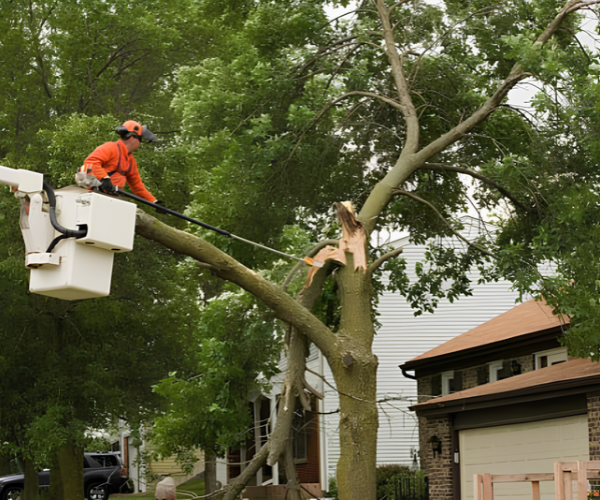
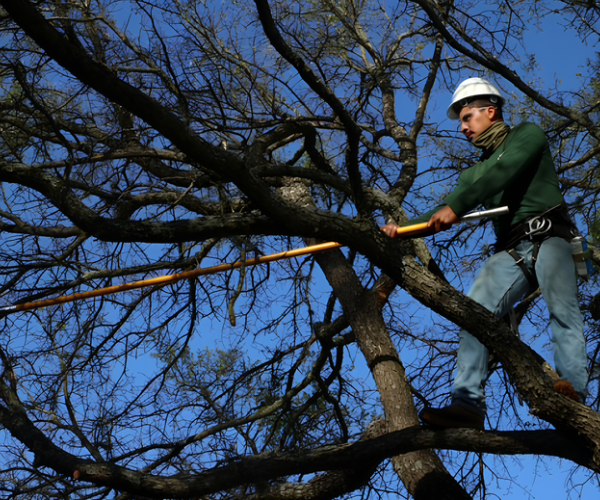
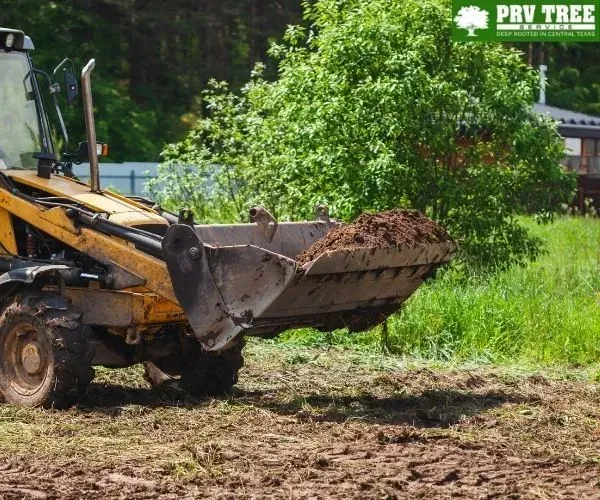
Land clearing is not merely about removing vegetation and leveling the ground; it's an intricate process that prepares the land for construction, landscaping, or agricultural use. Engaging professional land clearing services ensures that this task is completed efficiently, safely, and in compliance with local regulations. Professionals in Austin, TX, employ a variety of techniques to clear land, including manual labor, mechanical methods, and chemical treatments, each suited for different types of terrain and vegetation.
By choosing a reputable company for land clearing in Austin, TX, property owners can avoid common pitfalls such as soil erosion, unintended damage to native flora and fauna, and legal issues related to improper land use. Experts use their knowledge of the local ecosystem to minimize environmental impact, preserving Austin's natural beauty while preparing your land for its next chapter.
Navigating Land Clearing Regulations in Austin, TX
Austin is known for its environmental advocacy, which is reflected in the city's land development codes and regulations. Before embarking on a land clearing project in Austin, TX, it is imperative to understand the local ordinances that govern such activities. These rules are in place to protect endangered species, maintain water quality, and prevent erosion.
Permits are often required for land clearing in Austin, TX, especially for larger projects or those that impact natural resources such as watersheds or protected trees. Professionals in the field can guide you through the permitting process, ensuring that your project proceeds without legal hitches. They understand the importance of adhering to the city's environmental standards and can help balance your development needs with the community's ecological priorities.
Best Practices for Sustainable Land Clearing
Sustainable land clearing practices are vital for maintaining the ecological balance and ensuring that the natural charm of Austin, TX, remains intact. Here are some best practices to consider:
- Selective Clearing: Instead of clearing the entire plot, consider selective clearing to preserve mature trees and natural habitats. This approach maintains the ecological integrity of the land while providing space for development.
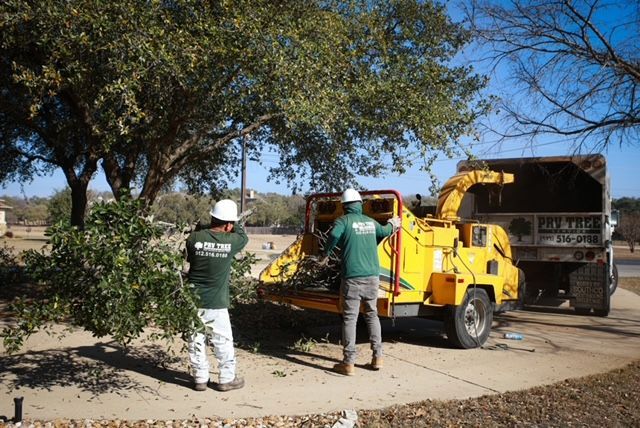
- Mulching: Mulching the cleared vegetation returns nutrients to the soil and helps prevent erosion. It's an eco-friendly alternative to burning or hauling away biomass.
- Erosion Control: Implementing erosion control measures such as silt fences, contour plowing, or terracing helps protect the land and nearby water bodies from sedimentation.
- Reforestation: After clearing, reforesting parts of the land with native species can enhance the landscape's aesthetics and contribute to local biodiversity.
By embracing these sustainable practices, land clearing in Austin, TX, can lead to the creation of beautiful, environmentally responsible landscapes that residents and wildlife can enjoy for years to come.
In conclusion, land clearing in Austin, TX, is more than just a step in development; it's an opportunity to sculpt the land thoughtfully and responsibly. Whether you're looking to build your dream home, start an agricultural venture, or develop a commercial property, understanding the intricacies of land clearing will help ensure your project's success while contributing to the preservation of Austin's natural charm. With the right approach and expert assistance, your vision for a pristine landscape can become a reality, enhancing both the value of your property and the quality of the environment.