Land Clearing in Austin, Texas: A Comprehensive Guide
The development landscape of Austin, Texas, is rapidly evolving, with new construction projects sprouting across the city’s unique topography. Central to preparing these sites for construction is land clearing. Whether it’s for residential development, commercial building, or agricultural use, land clearing in Austin plays a pivotal role in urban expansion and land management. Before starting a project, many property owners ask, do I need a permit to clear my own land, do you need a permit to clear land, or do you need a permit to clear your own land. Understanding local regulations before clearing your property can help you avoid delays, fines, and other compliance issues.
Understanding Land Clearing in Austin, TX
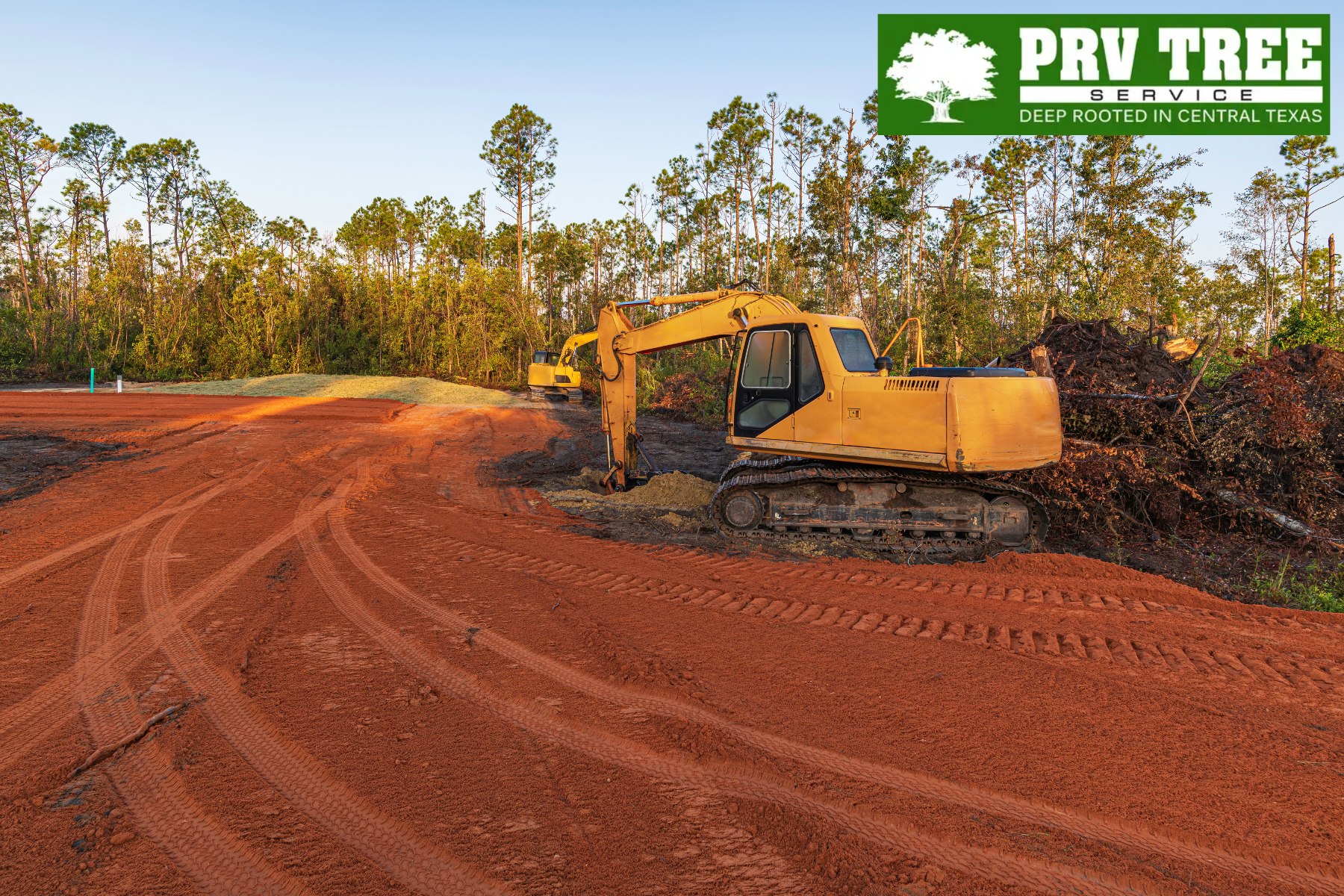
Land clearing is the process of removing trees, stumps, brush, stones, and other obstacles to prepare land for construction or land development. In Austin, land clearing is not just about making space for new buildings; it’s about ensuring that the process is sustainable, respects local ecosystems, and mitigates risks such as wildfires or invasive species.
Effective land clearing in Austin starts with a thorough assessment of the land. Environmental considerations are paramount in a city with rich biodiversity and protected species. Austin’s unique landscapes, from hilly terrain to riparian zones, require land clearing professionals to navigate both the land's characteristics and local regulations.
The Importance of Choosing the Right Land Clearing Professionals
When it comes to land clearing in Austin, TX, choosing the right professionals for the job is crucial. The best providers offer comprehensive services, including:
- Initial land surveys and assessments
- Debris removal and responsible disposal
- Erosion control measures
- Soil health preservation and site restoration
For instance, a company specializing in selective clearing can ensure the clearing process doesn’t harm valuable vegetation or soil integrity. Land-clearing professionals in Austin should understand the local flora, fauna, and soil types, and be well-versed in Austin’s zoning laws and environmental regulations. This knowledge ensures the clearing process is compliant with all local, state, and federal laws.
Innovations in Land Clearing Technology
The land clearing industry is embracing new technologies that make the process more efficient and environmentally friendly. Hydro-axing, a method that uses high-pressure water to cut through vegetation, reduces the need for heavy machinery, which can compact soil and disrupt local ecosystems. Drones and GIS (Geographic Information System) technology are also playing a larger role in mapping land, identifying critical habitats, and helping plan the clearing process to minimize negative environmental impacts.
Why Technology Matters:
- GIS and drone mapping help identify critical habitats, ensuring that rare species or valuable natural areas aren’t disturbed.
- Hydro-axing is an environmentally friendly method that reduces soil disturbance and improves long-term land health.
As technology advances, Austin land clearing becomes more sustainable and precise, helping both developers and landowners meet environmental regulations without compromising efficiency.
Key Considerations for Land Clearing in Austin
Land clearing in Austin, TX, presents unique challenges due to the region's diverse topography and weather conditions. Some key considerations include:
- Soil types: Austin’s soil can range from rocky to clay-heavy, affecting the equipment and methods used for clearing.
- Seasonality: Clearing work is often best done in the dry season, avoiding heavy rain periods that can cause erosion.
- Local wildlife and protected species: Austin is home to several endangered species, so clearing must be done with care to avoid disturbing habitats.
Permits, Regulations, and Environmental Compliance
Land clearing in Austin isn’t just about clearing trees; it’s about doing so in a way that complies with local regulations and preserves the environment. Landowners and developers must be aware of the necessary permits for land clearing. Austin has strict zoning and environmental protection laws, particularly in floodplain areas, tree preservation zones, and habitats for protected species.
Key Permits and Regulations:
- Austin’s Tree Protection Ordinance: Requires permits for tree removal in certain areas.
- Wetlands regulations: If the land clearing involves wetlands, additional licenses may be needed.
- Erosion control: Developers must implement measures to control sediment runoff, especially when working on steep slopes.
Professional companies are familiar with these regulations and can guide you through the permit application process.
What to Expect During Land Clearing Projects
The land clearing process involves several stages. Here’s what you can expect when working with PRV Tree Service on your project:
- Consultation & Assessment – Our team will evaluate the property to understand its terrain, vegetation, and any environmental or zoning concerns.
- Proposal & Permits – We provide a detailed estimate and help obtain any necessary permits.
- Clearing & Removal – Our team will remove trees, brush, rocks, and other debris using environmentally friendly methods.
- Erosion Control & Soil Preservation – We’ll implement strategies such as mulching and silt fencing to prevent soil erosion.
- Cleanup & Site Restoration – We ensure the area is left tidy and prepared for your next phase of construction.
If you're ready to start your land clearing project in Austin, PRV Tree Service is here to help. We specialize in efficient, environmentally conscious land clearing that adheres to all local regulations. Contact us today for a free consultation and let us help you prepare your land for development while preserving Austin’s natural beauty.
Frequently Asked Questions
1. Do I need a permit to clear land in Austin, TX?
Yes, some land clearing projects require permits, especially if protected trees, wetlands, or environmentally sensitive areas are involved. Always check local regulations before starting work.
2. What is included in a land clearing service?
Land clearing typically includes removing trees, brush, stumps, rocks, and debris, along with erosion control and site preparation for construction or development.
3. When is the best time to clear land?
The dry season is usually the best time for land clearing because it reduces the risk of soil erosion and weather-related delays.
4. Why should I hire a professional land clearing company?
Professionals use the right equipment, follow local regulations, and protect the property from unnecessary environmental damage while preparing the site safely.
5. How long does a land clearing project take?
The timeline depends on the property's size, terrain, vegetation, and permit requirements. Small projects may take a few days, while larger sites can take longer.