The Best Season for Tree Trimming in Austin Without Damaging Your Trees
The best season for tree trimming in Austin is late winter to early spring (January through March), before new growth begins. Trimming at this time reduces stress on trees, lowers the risk of disease, and promotes strong, healthy growth. For oak trees, this timing is crucial to prevent Oak Wilt, a dangerous fungal disease. Young trees should be trimmed every 1–2 years, while mature trees benefit from trimming every 3–5 years to maintain health and safety.
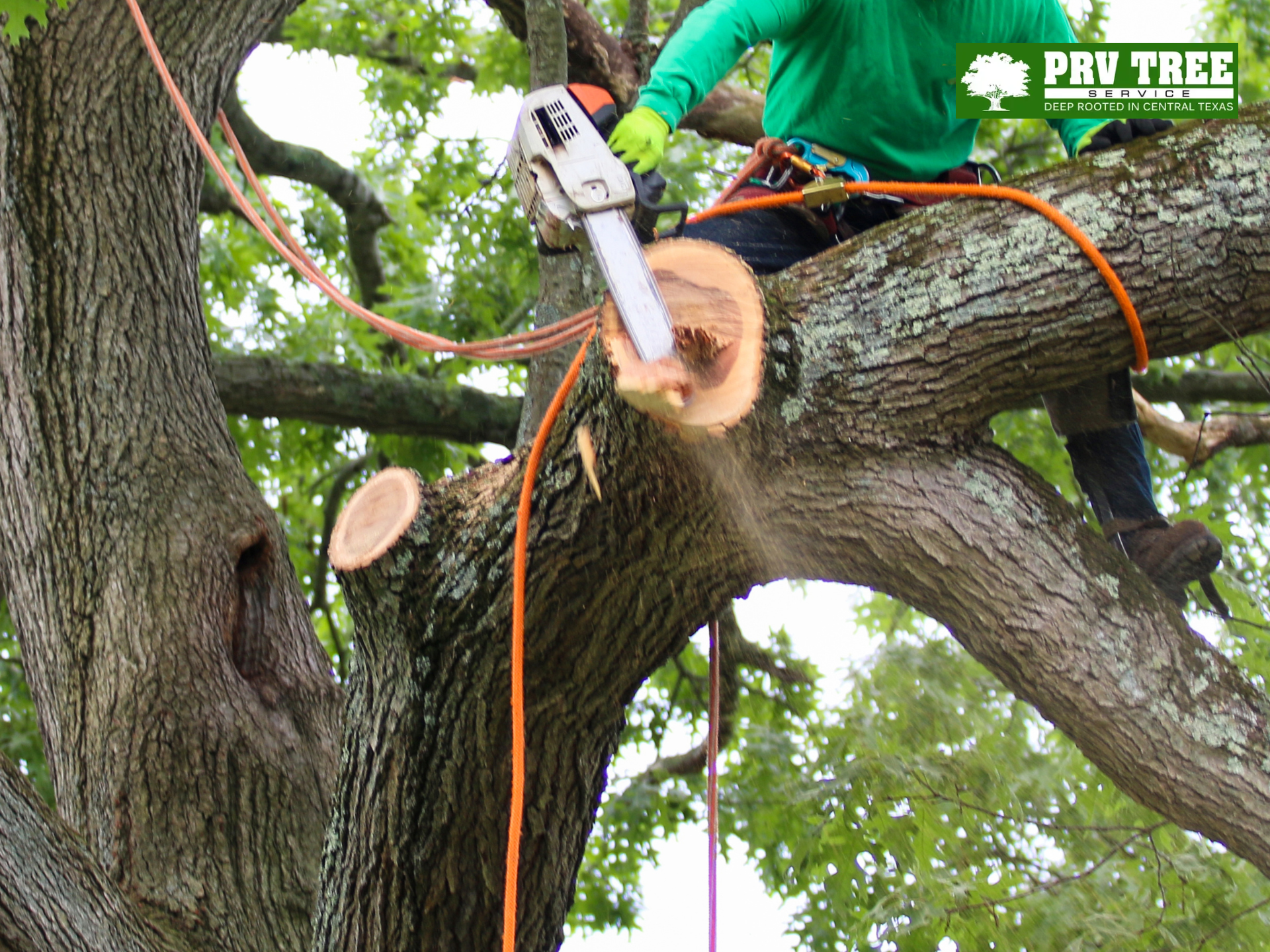
Last winter, a homeowner in North Austin noticed several dead branches on their oak tree. By trimming at the right time, their tree recovered beautifully in spring, with fresh, healthy growth filling out the canopy. Proper timing and professional
tree trimming Austin make a real difference in Austin’s climate.
How Often Should You Trim Your Trees in Austin?
Regular tree trimming is essential for tree health, not just aesthetics. It removes dead or damaged branches, prevents disease, and encourages balanced growth.
Understanding Tree Health and Growth
Austin’s climate supports various trees, including oaks, elms, and pecans. Each species has different growth patterns, so trimming frequency varies. Young trees need more frequent attention to guide their structure, while mature trees require less frequent maintenance.
Recommended Trimming Frequency
- Young trees: Every 1–2 years to shape growth
- Mature trees: Every 3–5 years to maintain canopy health
- Damaged or diseased trees: Trim as needed to remove compromised branches
Over-trimming can weaken a tree and make it more vulnerable to pests and disease. Trim only what is necessary to maintain health or you can also check
tree trimming near me in Austin
The Best Season for Tree Trimming in Austin
Timing is critical for tree trimming to avoid stress, sap loss, and disease. Austin’s hot summers and mild winters influence the safest trimming periods.
Avoiding Damage During Seasonal Changes
Trimming at the wrong time can stress trees and increase vulnerability to pests and disease. Proper timing ensures recovery and strong growth.
Ideal Trimming Windows
- Late winter (January–February): Optimal for most trees before new growth starts
- Early spring (March): Safe for minor trimming if growth has not started
Avoid summer and fall trimming: Heat and dormancy increase stress and risk
Special Considerations for Oak Trees
Oak trees are sensitive and susceptible to Oak Wilt. Avoid trimming oaks from February to June, when the disease risk is highest. For oak trees, trimming in late fall or winter is safest.
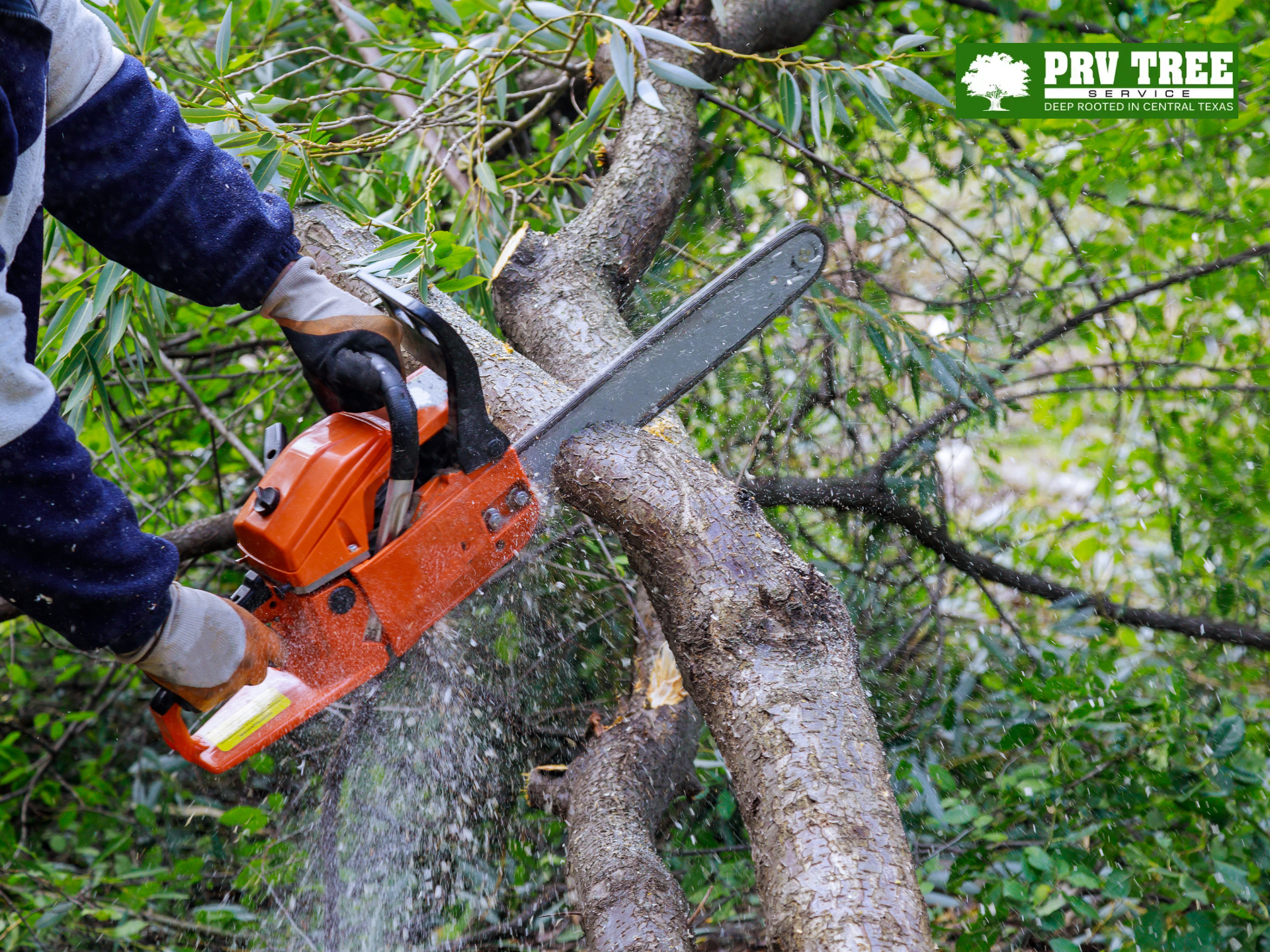
How to Tell If Your Oak Tree in Austin Needs Trimming or Pruning
Identifying when your oak tree needs attention helps prevent long-term damage and health issues.
Signs Your Oak Tree Needs Attention
- Dead, broken, or hanging branches
- Branches rubbing against each other
- Dense canopy blocking sunlight
- Signs of pests or disease (discolored leaves, holes, or fungus)
Difference Between Trimming and Pruning
- Trimming: Removing small branches for minor shaping or maintenance
- Pruning: Cutting larger or structurally significant branches to improve health
When to Call a Professional
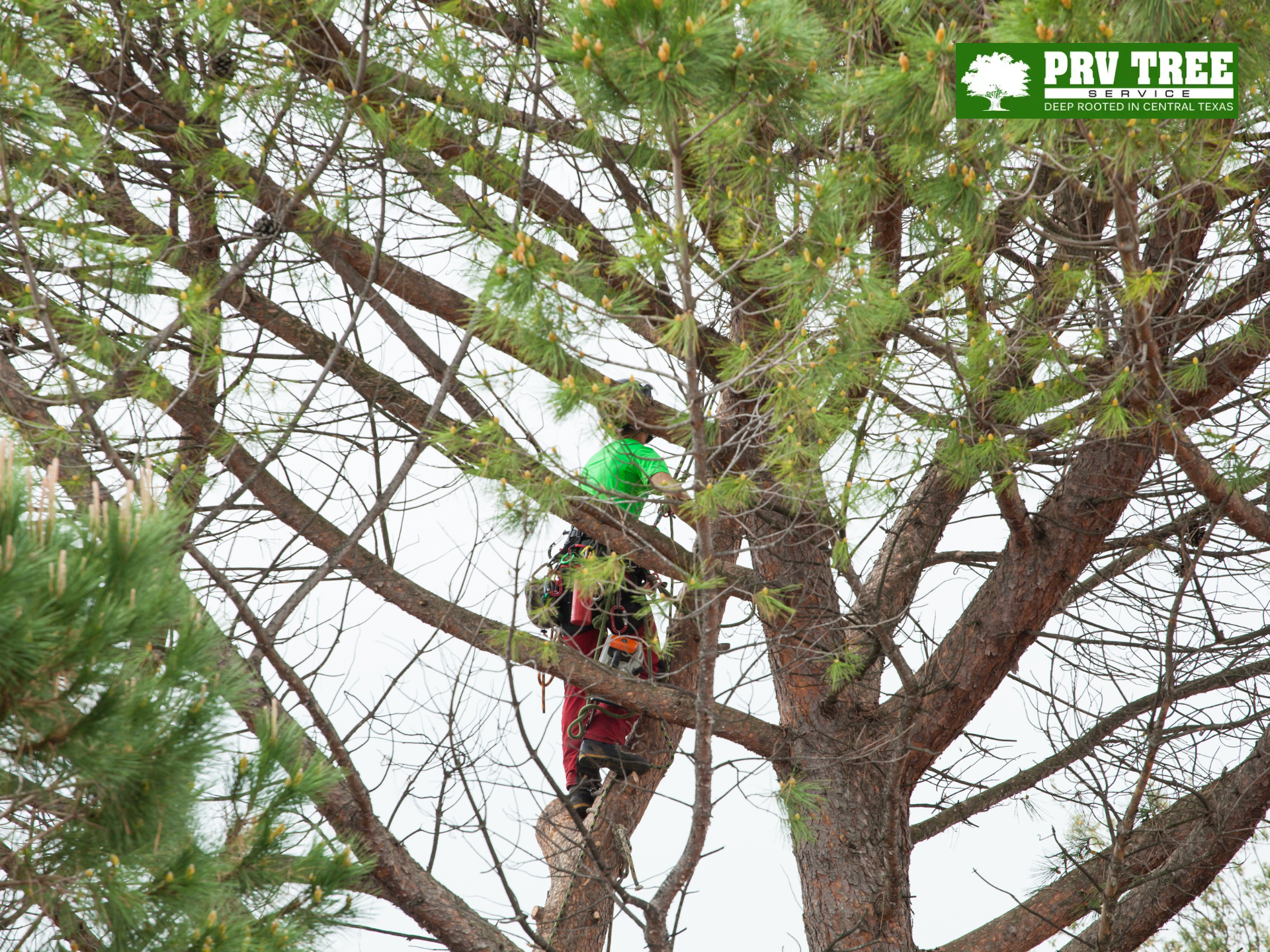
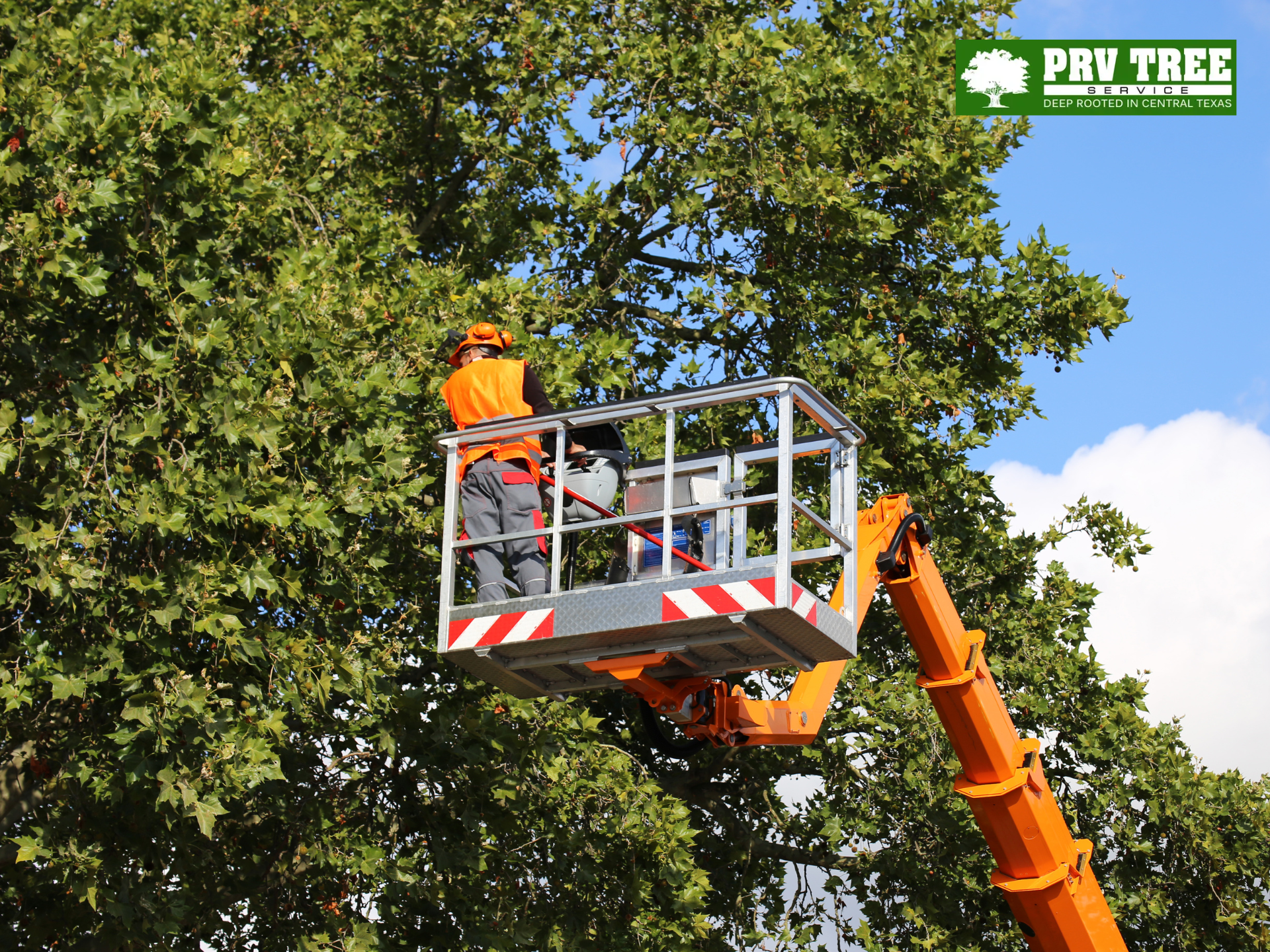
- Large or high branches pose safety risks
- Suspected disease or pest infestation
- Unsure of correct timing or technique
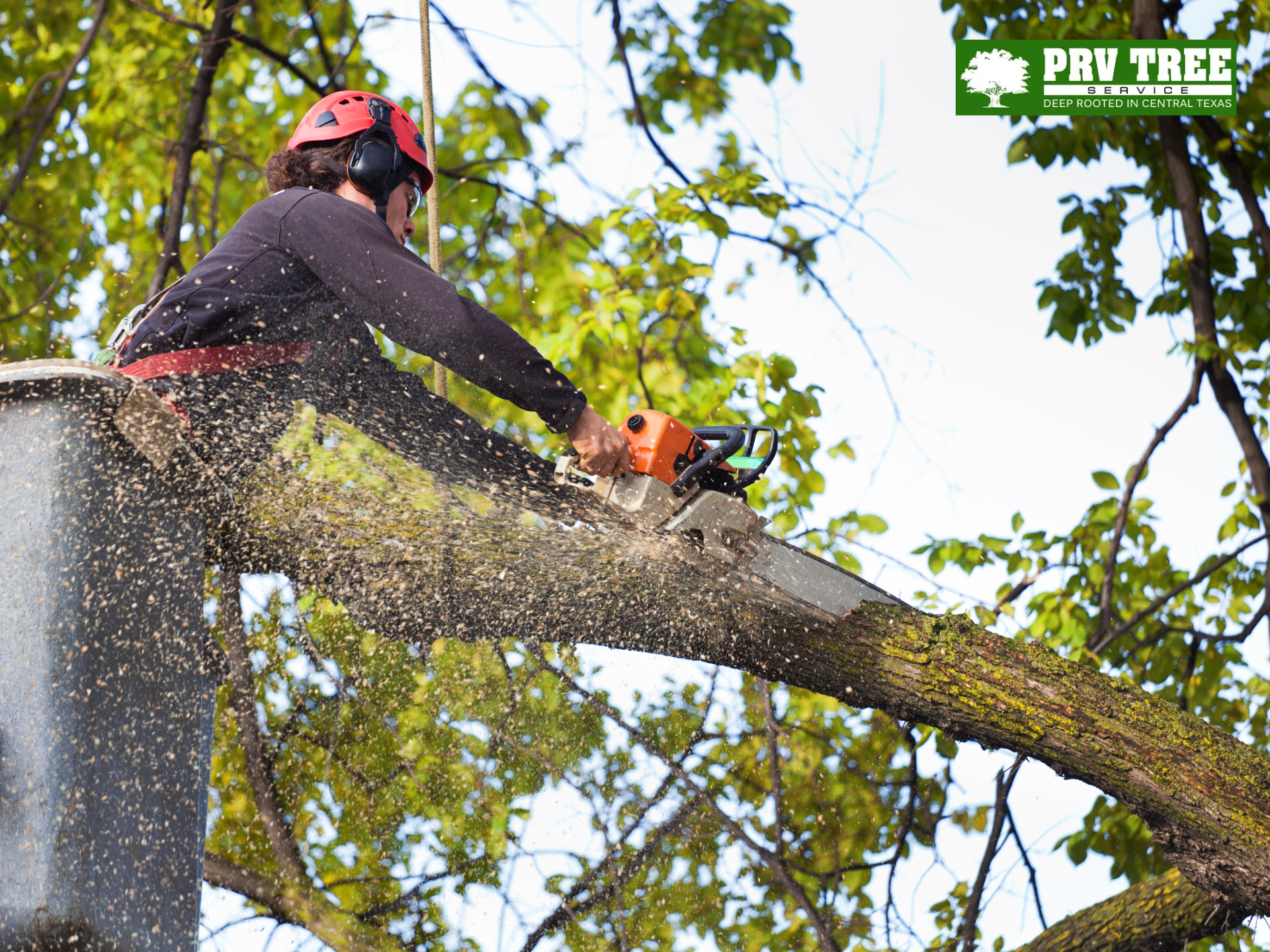
Professional
tree trimming Austin TX
ensure safe, effective trimming that promotes healthy tree growth.
Tips for Safe Tree Trimming in Austin
- Use clean, sharp tools for precise cuts
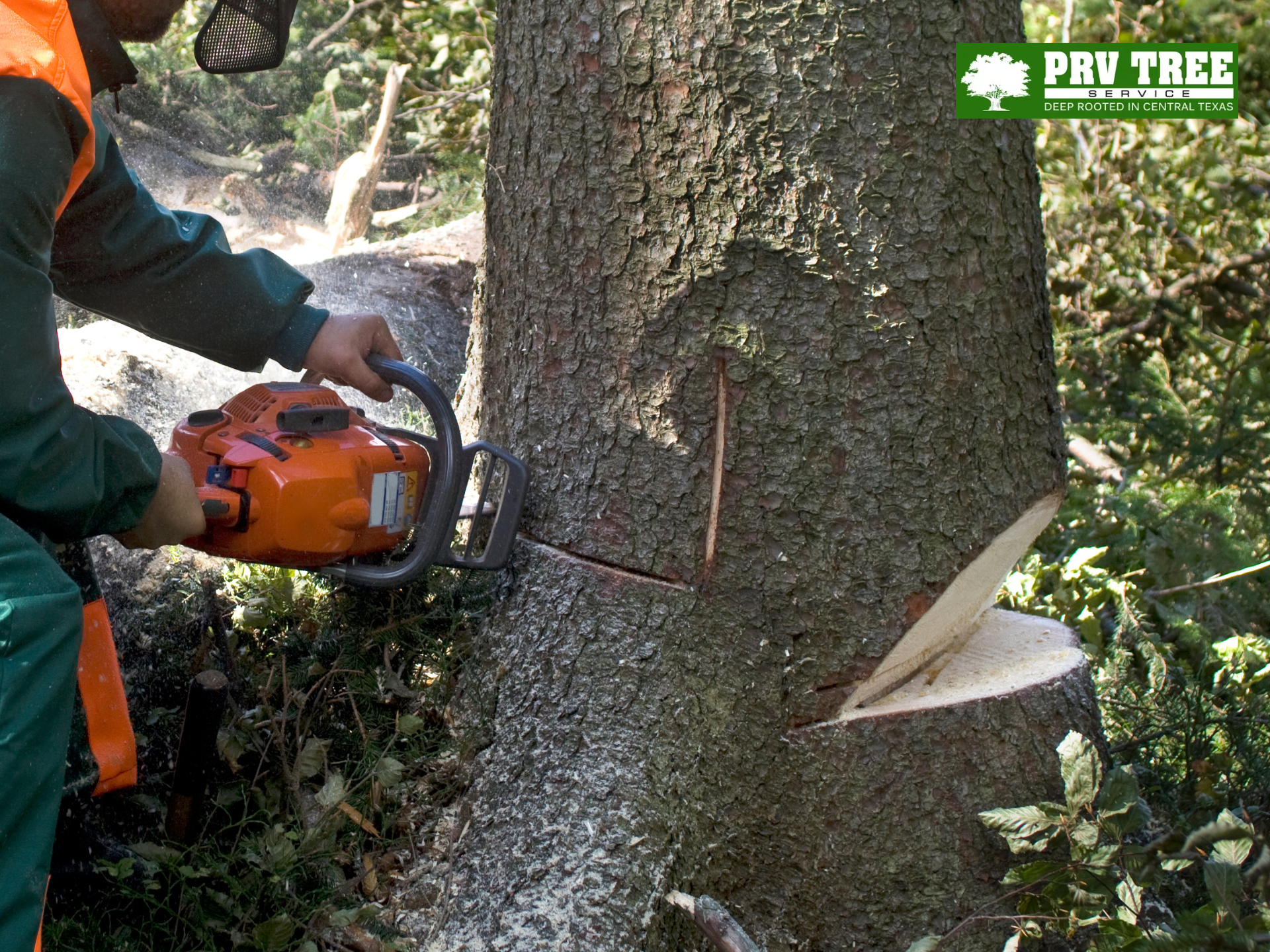
- Avoid topping trees to prevent long-term damage
- Leave enough branch length to reduce stress
- Mulch and water after trimming to support recovery
To Sum Up
To keep your trees healthy in Austin, trim them from late winter to early spring and follow recommended trimming frequencies. Watch for dead branches, dense canopies, or pest activity to know when your oak tree needs attention.
Protect your trees this winter! Contact Austin tree trimming to schedule professional tree trimming and keep your trees thriving year-round.