How Does Land Clearing Prepare a Property for New Construction
Proper site preparation is the foundational first step for any successful building project, transforming raw, overgrown terrain into a stable, buildable site. Land clearing prepares a property for new construction by removing trees, stumps, brush, rocks, and existing debris to establish a clean, level surface for structural foundations. This process prevents foundational settling, eliminates hidden subterranean hazards, improves soil stability, and ensures full compliance with local drainage and building code requirements.
Beyond creating space for heavy machinery to maneuver, clearing the terrain addresses the environmental, structural, and legal demands of preparing a plot for development.
Establishing Structural Integrity and Foundation Stability
Building any permanent structure requires a stable, compacted base capable of supporting massive loads over decades. Overgrown vegetation, deep root systems, and organic debris severely compromise soil integrity if left unaddressed.
Eliminating Root Networks and Organic Decay
When large trees and thick brush are cleared without complete root extraction, underground root systems begin to decay over time. As organic material breaks down, it creates sub-surface voids and pockets of loose soil.
If concrete footings, slab foundations, or utility trenches are placed over these unstable areas, the ground shifts over time. This leads to severe structural issues, including:
- Cracked concrete foundations and retaining walls
- Uneven flooring and structural tilting
- Broken underground plumbing and utility lines
- Secondary stabilization repairs
Professional land clearing removes not only above-ground vegetation but also the dense root matrices hidden beneath the surface, ensuring the underlying soil can be properly graded and compacted.
Excavating Subterranean Hazards and Boulders
Surface vegetation often hides subsurface rock formations, high water tables, or loose gravel pockets. Clearing the land allows site developers to perform thorough soil testing and excavation. Uncovering these natural obstacles early prevents unexpected delays once foundation crews arrive on-site.
Ensuring Precise Surveying and Grading Operations
Before architectural plans can be mapped onto physical ground, surveyors need visual and physical access across the property footprint.
Unlocking Unobstructed Survey Line-of-Sight
Property boundaries, easements, and setback lines must be measured with absolute precision to comply with local zoning laws. Thick vegetation and dense tree clusters block optical equipment and prevent surveyors from setting accurate grade stakes. Complete land clearing provides clear lines of sight, protecting builders from boundary disputes or setback violations.
Drainage Control and Slope Management
Improper water runoff is a primary cause of home foundation failure. During site preparation, land clearing allows heavy earth-moving equipment to reshape the topography. Establishing correct slope gradients directs rainwater away from future structures, preventing soil erosion, foundation pooling, and basement flooding.
During a recent site evaluation for a firm in Downtown Austin, executing initial site clearing and drainage grading prevented weeks of corrective groundwork by managing heavy seasonal rainfall before construction crews broke ground.
Protecting Properties Through Strategic Arborist Expertise
Land clearing is not simply about removing every piece of vegetation—it is an exercise in strategic preservation and property management. Selective clearing ensures that desirable, mature trees are preserved while hazardous growth is safely removed.
Understanding Proprietary Arborist Care Practices
Achieving a balance between site development and natural preservation requires specialized knowledge. Our professional arborists have years of experience and are dedicated to providing exceptional tree care for homes and businesses. When preparing a construction site, careful planning protects remaining trees from construction equipment damage, root compaction, and sudden soil exposure.
We ensure that your trees will stay healthy and beautiful throughout the construction process. Builders must protect root zones outside the immediate building footprint, as heavy machinery passing over root systems can suffocate tree roots and cause gradual decline. Rest assured that our products are of the highest quality and will serve you well, maintaining structural integrity across all equipment and boundary protection barriers used during clearing operations.
Navigating site prep decisions often requires expert insight regarding local regulations and tree preservation orders. To assist you in making well-informed choices regarding your trees, our knowledgeable staff exists round-the-clock to respond to inquiries and provide guidance. This dedicated support ensures that property owners remain confident and informed at every stage of site clearing.
Safety, Utility Access, and Wildfire Mitigation
An uncleared lot presents significant safety hazards for workers, equipment, and surrounding structures. Clearing the plot establishes a controlled, accessible environment for building teams.
Facilitating Equipment and Material Transportation
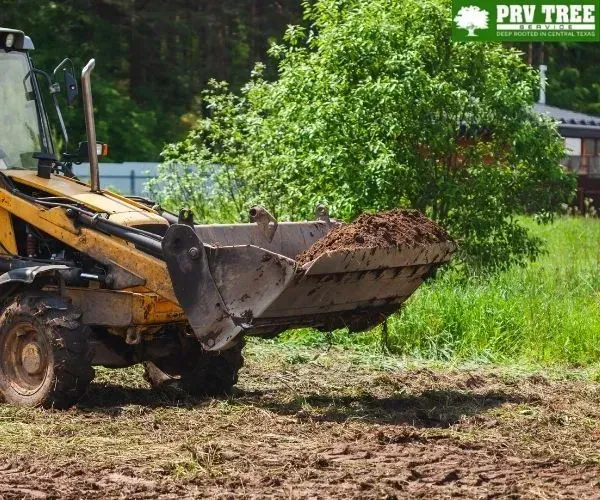
Modern construction relies on heavy machinery, including excavators, concrete trucks, cranes, and delivery flatbeds. Dense timber and thick brush prevent these vehicles from accessing the build site safely. Clearing establishes wide, stable entry paths and staging areas for building materials, minimizing project downtime and equipment damage.
Fire Risk Reduction and Pest Prevention
Overgrown brush, dry timber, and unmanaged undergrowth serve as fuel for wildfires. Clearing defensible space around planned construction zones protects both the building under construction and neighbouring properties. Furthermore, removing decaying wood and dense thickets eliminates breeding grounds for wood-boring pests, rodents, and termites that could later infest new structures.
When property managers coordinate land clearing in Austin, establishing these safety perimeters is a mandatory prerequisite before securing construction permits and builder insurance.
Navigating Permits and Environmental Regulations
Site clearing must adhere strictly to local municipal codes, environmental conservation guidelines, and tree preservation ordinances.
Regulatory Factor/Objective/Construction Impact:
Tree Preservation Ordinances
Protect protected tree species
Requires selective clearing and root zone protection
Erosion Control Rules
Prevent runoff into waterways
Demands silt fencing and retention measures
Zoning Setback Compliance
Maintain property line distances
Requires precise boundary clearing
Stormwater Management
Control site runoff volume
Dictates grading shapes and drainage basins
Failing to adhere to regional guidelines can result in stop-work orders, fines, or required mitigation replanting. Working with experienced professionals ensures all land clearing in Austin, TX follows environmental safety protocols and city codes from day one.
Streamlining Construction Workflows and Financial Budgeting
Investing in comprehensive site preparation early in the project timeline yields practical financial and operational returns.
- Prevents Work Stoppages: Eliminates unexpected subterranean delays after building crews have been scheduled.
- Lowers Foundation Costs: Enables foundation teams to pour concrete efficiently without working around obstructions.
- Enhances Property Market Value: Presents a clean, build-ready footprint for investors, lenders, and buyers.
Proper site preparation lays the groundwork for seamless construction, allowing builders to execute plans without fighting the natural landscape.
Whether you are preparing a residential lot or a commercial development, utilizing specialized Austin land clearing services ensures your property is transformed safely, efficiently, and in full compliance with local building standards.
Frequently Asked Questions
What is the difference between land clearing and grading?
Land clearing involves removing surface and subsurface obstacles, such as trees, stumps, brush, rocks, and debris, from a property. Site grading occurs after clearing and involves leveling, sculpting, and compacting the soil to create a stable slope for foundations and proper water drainage.
How long does it take to clear a lot for construction?
The timeline for clearing a lot depends on property size, terrain density, tree volume, and equipment access. An average residential lot (under one acre) typically takes 1 to 3 days to clear completely, whereas multi-acre commercial sites or heavily timbered properties can take several weeks.
Can I leave mature trees on my lot while clearing for a new build?
Yes, selective land clearing allows you to keep healthy, mature trees on your property. Professional arborists can help identify high-value trees, establish protective root zones, and clear surrounding brush without harming the trees you wish to preserve.
Build on a Solid Foundation with PRV Tree Service
Preparing a property for new construction requires experienced professionals who understand tree care, site safety, and local land preparation standards. At PRV Tree Service, our fully insured team combines local expertise with professional-grade equipment to transform overgrown plots into safe, build-ready sites. Whether you need land clearing, selective tree removal, stump grinding, or emergency site management, we deliver dependable, safety-focused service tailored to your project goals.
Contact us today to schedule a consultation or request a free quote for your land clearing and tree care needs.