Is It Cheaper to Remove a Tree in Sections or Cut It Down in One Piece
Removing a tree in sections usually costs more in labor because workers cut and lower branches and trunk pieces individually. Cutting a tree down in one piece can cost less when there is enough open space for safe felling. The final price depends on tree size, condition, site access, equipment, and nearby structures.
What Is the Difference Between Sectional Tree Removal and Cutting a Tree Down in One Piece?
The main difference is how the crew removes the tree and controls where each piece goes. The right method depends on the tree's condition, available space, and surrounding hazards.
How Does Sectional Tree Removal Work?
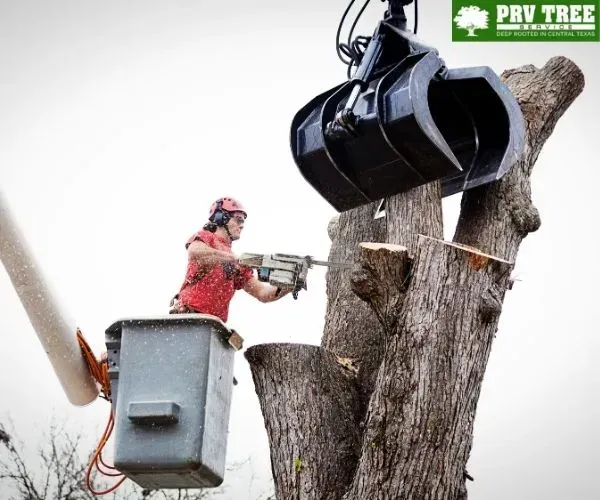
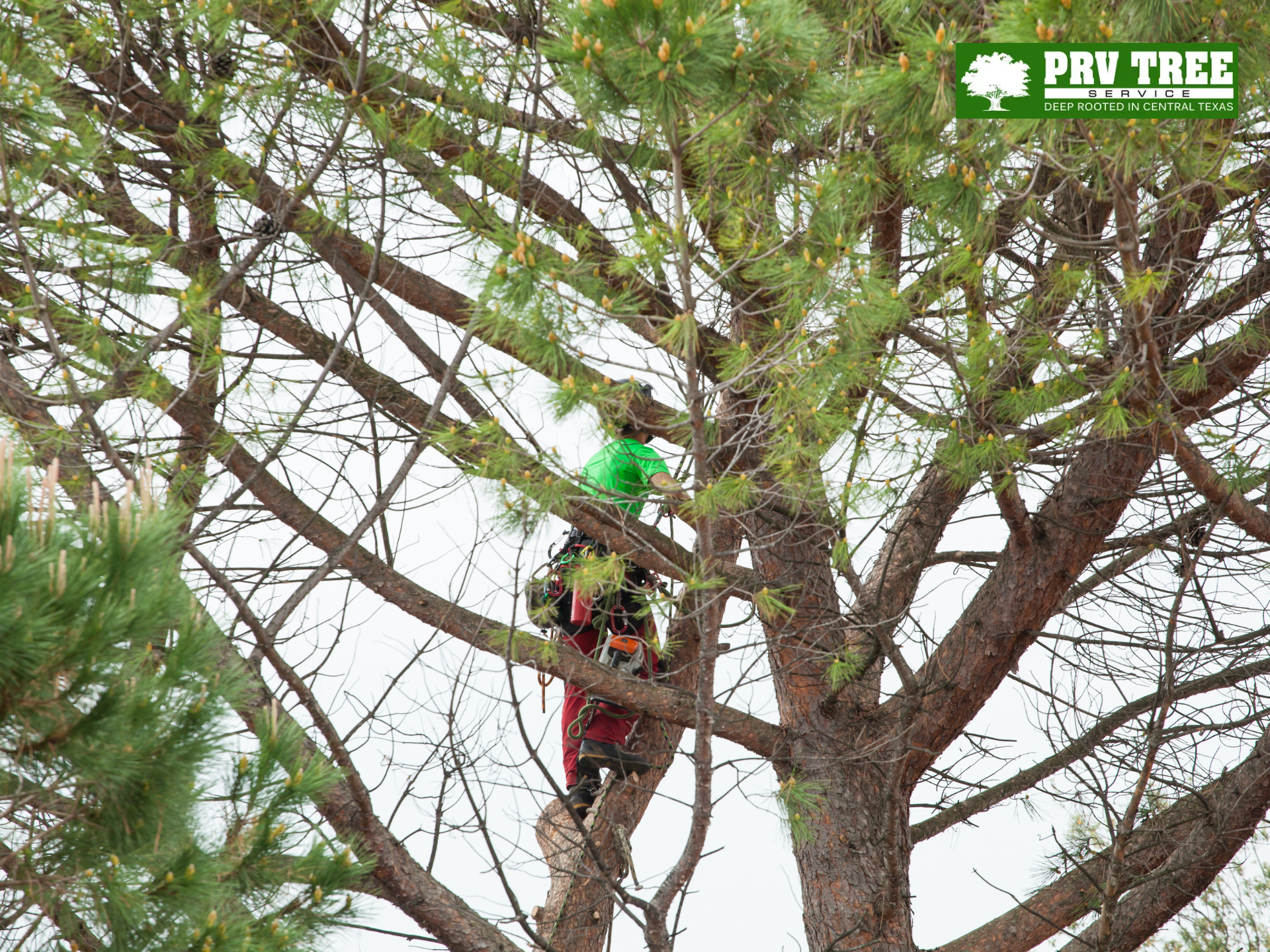
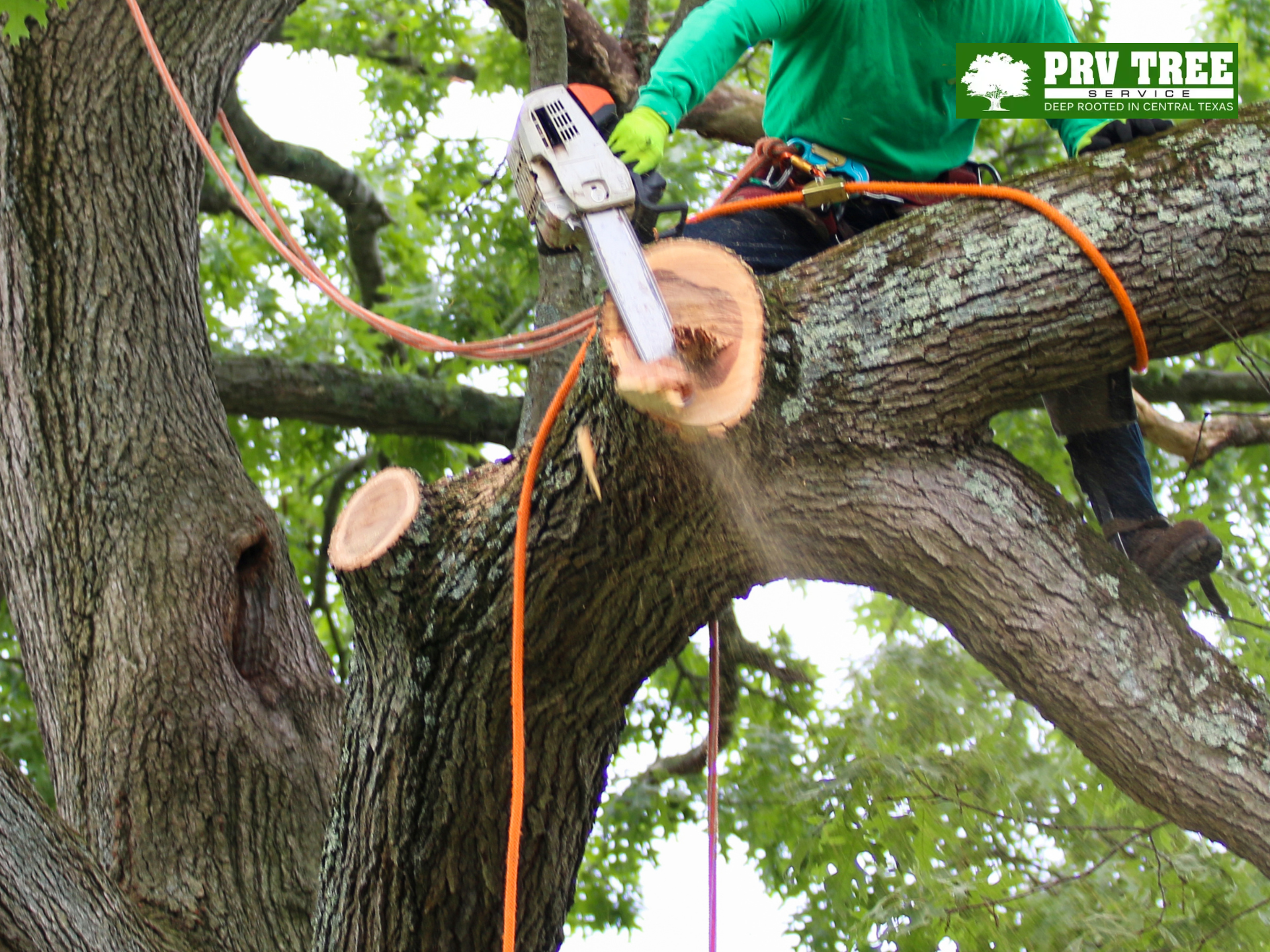
Sectional tree removal involves dismantling a tree in smaller pieces, usually starting with the upper branches. Depending on the site, professionals may use climbing equipment, ropes, rigging systems, or aerial lifts to manage the removal.
This method is useful when a tree stands close to a house, garage, fence, driveway, or landscaped area. Workers remove manageable sections rather than allowing the entire tree to fall, helping reduce the risk of striking nearby property.
Because each section may need to be cut, secured, and lowered, this approach often requires more labor and time than straightforward felling.
How Does Cutting a Tree Down in One Piece Work?
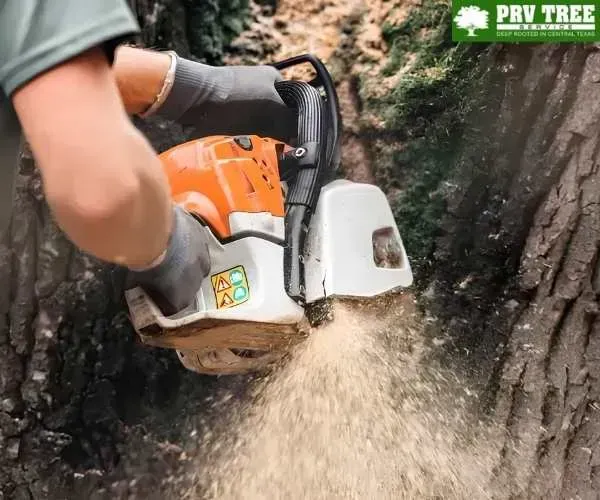
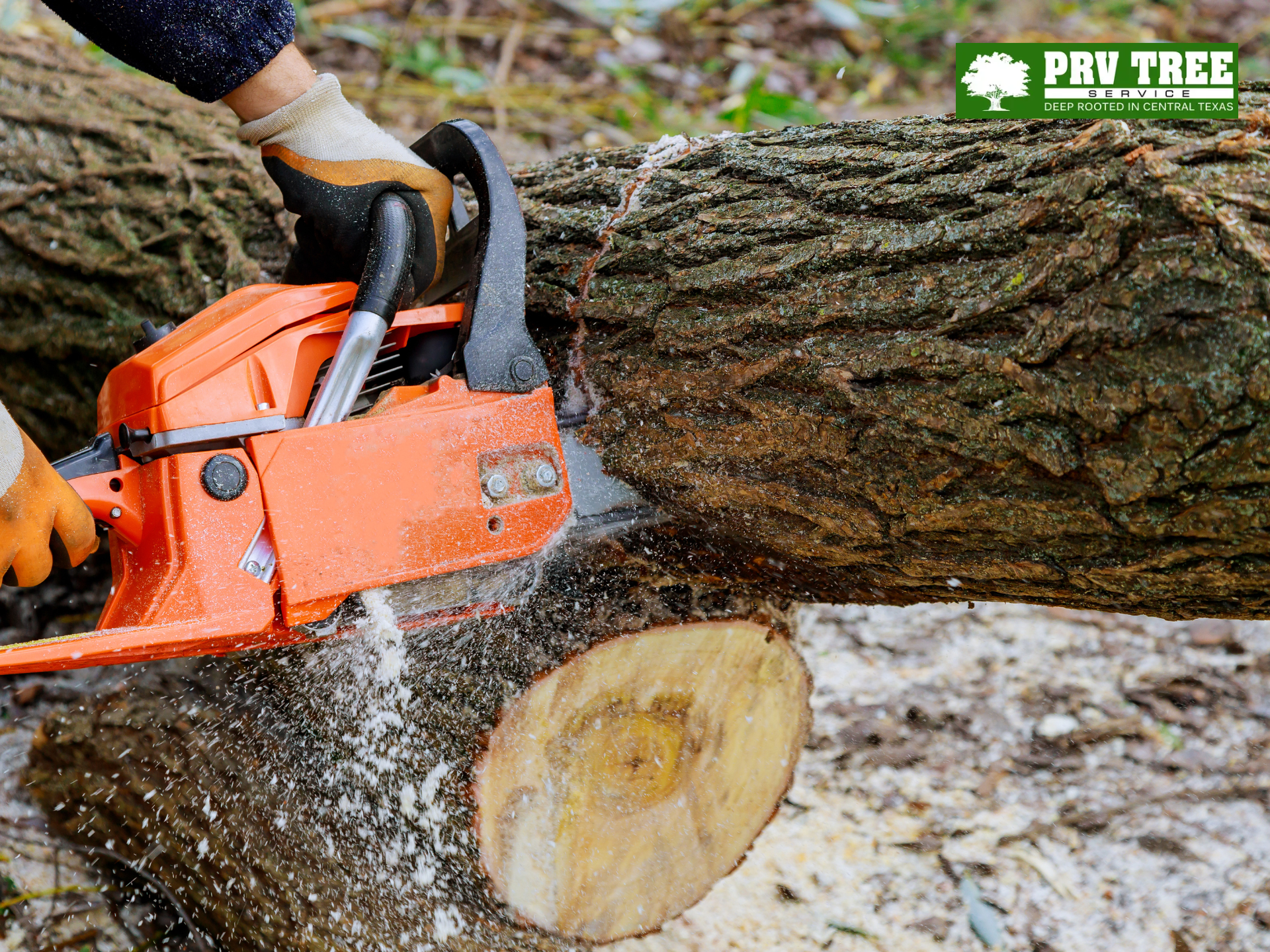
Whole-tree felling involves making planned cuts so a tree falls in a controlled direction. It requires enough clearance for the tree to land safely and an assessment of its structure, lean, and condition.
When the site permits a straightforward felling operation, the crew may spend less time climbing, rigging, and lowering individual pieces. However, this method may not be appropriate when buildings, vehicles, utility lines, or other obstacles are within the potential fall zone.
Which Tree Removal Method Is Cheaper?
Whole-tree felling can cost less when a tree can be brought down safely without extensive rigging or specialized equipment.
This method typically requires less labor and may take less time when there is sufficient open space and no nearby structures or obstacles.
In contrast, sectional removal often costs more because workers must dismantle the tree in smaller sections, make multiple cuts, and carefully lower branches and trunk pieces using climbing gear, rigging systems, or lifts.
Although sectional removal usually takes longer, it is often the safer and more practical option for properties with limited space or buildings nearby. Ultimately, the cheaper method depends on the tree’s size and condition, site accessibility, equipment requirements, labor, and the amount of clearance available.
These are general comparisons, not guaranteed prices. The final estimate depends on tree size, condition, site access, equipment, labor rates, and the services included.
What Factors Affect the Total Cost?
Several factors can affect the estimate, even when two trees appear similar in size.
- Tree height and trunk diameter: Larger trees generally require more cutting, handling, and cleanup.
- Tree condition: Dead, diseased, storm-damaged, or unstable trees may require additional precautions.
- Nearby obstacles: Buildings, fences, vehicles, and utility lines can limit removal options.
- Site accessibility: Narrow gates, steep ground, and restricted work areas can complicate equipment access.
- Equipment requirements: Cranes, aerial lifts, and specialized rigging can increase costs.
- Debris removal: Hauling branches and logs may be charged separately.
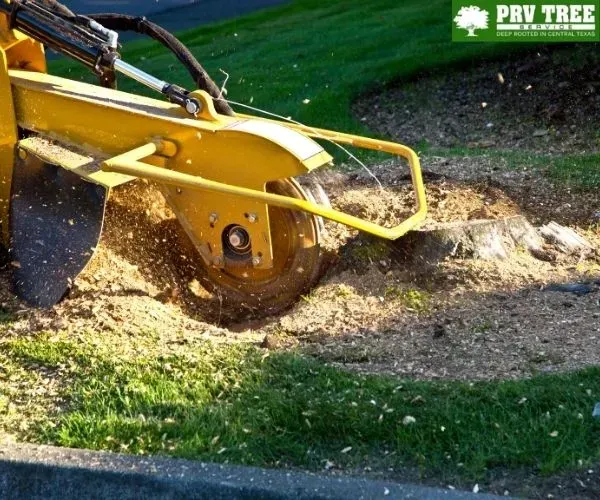
- Stump services: Stump grinding or complete stump removal may not be included in the original estimate.
Ask the contractor to explain these factors before approving the work. Comparing quotes with the same scope of services makes it easier to understand price differences.
When Is Removing a Tree in Sections Worth the Extra Cost?
Sectional removal may be necessary when a tree cannot safely fall in one piece. Although it can involve more labor, controlled dismantling allows the crew to manage branches and trunk sections around nearby structures.
For example, a mature tree growing between a house and a fence may not have enough clearance for whole-tree felling. Removing it in sections gives the crew more control over how each piece is handled.
This method may be appropriate when:
- Branches extend over a roof, patio, or driveway.
- The trunk stands close to a building or fence.
- The yard has limited access for equipment.
- The tree has dead limbs or structural defects.
- Sections must be lowered to avoid obstacles below.
Mature trees can grow close to houses, driveways, and outdoor living areas. A professional site assessment helps determine whether sectional removal is necessary and which equipment the job requires.
The additional cost should be considered alongside the need to protect nearby property. The cheapest method on paper may not be suitable when the available space is limited.
When Is Cutting a Tree Down in One Piece More Affordable?
Whole-tree felling may be less expensive when the tree is suitable for the method, the work area is accessible, and there is enough room for a controlled fall.
Before recommending this approach, a qualified professional should assess the tree's lean, structural condition, surrounding obstacles, ground conditions, and available working space.
Conditions That May Favor Whole-Tree Felling
- There is a clear area where the tree can safely land.
- Buildings, vehicles, and other hazards are outside the planned fall zone.
- The tree's condition allows the crew to assess and plan the operation.
- Workers and equipment can access the site safely.
- The fallen tree can be processed and removed without complicated handling.
When these conditions are met, fewer cutting and lowering operations may reduce labor time.
However, a tree that appears healthy can still have hidden decay or structural weaknesses. Homeowners should not attempt to fell large or hazardous trees themselves. Professional assessment and appropriate safety procedures are essential.
How PRV Tree Service Helps Homeowners Choose the Right Approach
Focuses on professional tree care, safety, quality workmanship, and customer satisfaction. According to the company's supplied brand information, its certified arborists have more than 13+ years of experience providing trimming, pruning, tree removal, and tree care tailored to local conditions. Homeowners looking for a tree cutting service in Round Rock,TX can benefit from recommendations that consider the tree's condition, nearby structures, and site-specific safety concerns.
Its approach focuses on helping homeowners understand their options, protecting surrounding property, and providing recommendations that account for the tree's condition and the customer's concerns.
Applying Local Tree Care Knowledge
This approach combines arborist experience with an understanding of the conditions that affect tree health and removal decisions. For properties near Georgetown, tree care recommendations should reflect the specific tree, surrounding structures, and available working space.
For homeowners in Cedar Park, site conditions may range from open yards to established residential properties where mature trees stand near fences, roofs, or driveways. The removal method should be selected after evaluating those conditions rather than applying the same approach to every tree.
Providing Clear Recommendations and Cost Information
Homeowners should understand why PRV Tree Service recommends a particular removal method and what the estimate covers. A clear quote should identify the proposed work, equipment requirements, cleanup arrangements, and any separate charges for stump services.
Customer-oriented approach emphasizes answering questions and helping property owners make informed decisions. Customers can ask about the differences between removal methods, potential site challenges, and the services included before approving a project.
Prioritizing Safety and Property Protection
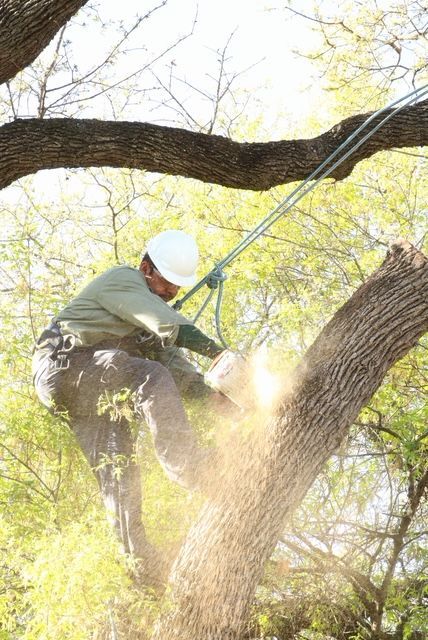
A professional tree removal service in Round Rock should assess surrounding hazards, plan the work area, use appropriate equipment, and manage the movement of branches and trunk sections to help protect people and nearby property.
Identifies safety, dependable service, and quality workmanship as core business principles. These priorities are especially relevant when a tree stands close to buildings, vehicles, landscaping, or other property that needs protection.
How Can You Get an Accurate Tree Removal Estimate?
A useful estimate should explain both the proposed removal method and the work required to complete the job.
Follow these steps when requesting a quote:
- Describe the tree: Share its approximate height, trunk size, and any visible damage or decay.
- Identify nearby hazards: Mention buildings, fences, vehicles, landscaping, and overhead utility lines.
- Provide photos if requested: Images can help the contractor understand the site before an on-site assessment.
- Ask why the method is recommended: Find out why sectional removal or whole-tree felling is appropriate.
- Confirm what is included: Check whether cutting, debris hauling, cleanup, and stump work are covered.
- Ask about additional charges: Clarify how unexpected hazards or equipment needs could affect the final price.
When researching a tree removal services compare the proposed work and safety plan alongside the price. Ask whether the estimate includes debris hauling and whether stump services are separate.
A provider offering tree removal in Round Rock,TX, should be able to explain how tree condition, surrounding structures, and site access affect the recommended method.
Comparing estimates that cover the same services helps you identify meaningful price differences and avoid unexpected charges.
People Also Ask:
Tree Removal Costs and Methods
No. Whole-tree felling can cost less when the site provides enough clearance and the tree can be felled safely. Trees near buildings or other obstacles may require sectional removal and additional labor.
Does Removing a Tree in Sections Take Longer?
Often, yes. Cutting and lowering multiple branches and trunk sections can require more time than straightforward felling. Tree size, condition, access, and equipment all affect the duration.
What Makes Tree Removal More Expensive?
Tree height, trunk diameter, poor condition, restricted access, nearby hazards, specialized equipment, and debris disposal can increase the price. Stump grinding may also be a separate charge.
Does Tree Removal Include Stump Grinding?
Not necessarily. Some estimates cover cutting and hauling but exclude stump grinding or complete stump removal. Confirm the scope before approving the work.
How Do I Know Which Tree Removal Method Is Right for My Property?
A qualified tree care professional can assess the tree's condition, nearby structures, available clearance, and equipment access. The recommendation should account for safety, cost, and the property's specific conditions.
Choose the Right Tree Removal Method for Your Property
PRV Tree Service removing a tree in sections often costs more because it requires additional labor and controlled lowering. Whole-tree felling may be more affordable when the site allows a safe, unobstructed fall. The right method depends on the tree, the property's layout, and the work required.
Homeowners understand their tree care options and request recommendations suited to their property. If you have a dead, damaged, overgrown, or potentially hazardous tree, contact the team to discuss your concerns and request a quote.
Contact Us to learn more about our tree care services and arrange a consultation.