How Does Roof Clearance Reduce the Risk of Leaves, Branches, and Debris Clogging Gutters
Roof clearance reduces gutter clogs by creating a physical buffer zone between overhead tree canopies and your home's drainage system. Trimming back overhanging branches eliminates the direct dropping of leaves, twigs, and organic matter into gutter channels while preventing pests from accessing your roof. This proactive tree care practice ensures rainwater flows freely away from your home, preventing structural damage and costly repairs.
Maintaining proper clearance around your roofline protects your property's exterior from continuous debris accumulation. Overhanging limbs drop material directly into your gutters throughout every season. Understanding how canopy management works and how professional tree care makes it possible safeguards your home from the top down.
The Direct Link Between Overhanging Canopies and Blocked Gutters
When tree branches extend directly over a roof structure, every natural cycle of the tree deposits debris onto your shingles. Wind, rain, gravity, and seasonal shedding all force leaves, acorns, seed pods, and dead twigs downward.
┌─────────────────────────────────────────────────────────┐
│ OVERHANGING TREE CANOPY │
│ (Drops leaves, twigs, sap, acorns, and moss) │
└───────────────────────────┬─────────────────────────────┘
│ Gravity / Wind
▼
┌─────────────────────────────────────────────────────────┐
│ ROOF SURFACE │
│ (Acts as a catch basin; funnels debris downward) │
└───────────────────────────┬─────────────────────────────┘
│ Rainwater Runoff
▼
┌─────────────────────────────────────────────────────────┐
│ GUTTER SYSTEM │
│ (Traps organic matter -> Clogs, overflows, leaks) │
└───────────────────────────┬─────────────────────────────┘
Without adequate
roof clearance in Austin, TX, even a moderate thunderstorm pushes heavy leaf and twig accumulation directly into your gutter troughs. Over time, this debris packs down, creating dense dams that trap standing water.
What Accumulates in Uncleared Gutters?
- Seasonal Leaf Litter: Deciduous trees shed heavy volumes of leaves in autumn, while evergreen species shed needles year-round.
- Twigs and Small Branches: Deadwood breaks off during high winds, wedging into gutter hangers and catching smaller organic material.
- Flowering and Seed Debris: Catkins, acorns, pecan husks, and winged seeds form dense, mat-like clogs that resist flushing by rainwater.
- Grit and Bio-film: Trapped organic matter holds moisture, breaking down into a thick muck that encourages moss and seedling growth inside the channel.
Key Benefits of Maintaining Proper Roof Clearance
Establishing clear vertical and horizontal space between tree limbs and your roofline solves multiple maintenance challenges at once.
1. Eliminating the Debris Source
Pruning limbs back 6 to 10 feet from the roof surface removes the main source of debris. Leaves that fall from trees set farther back are carried away by wind currents rather than dropping straight into gutter channels.
2. Preventing Animal Intrusion and Roof Traps
Overhanging branches act as bridges for urban wildlife. Squirrels, roof rats, and raccoons use close-hanging limbs to cross onto roofs, where they nest near warmth or chew through fascia boards. Heavy branches also block sunlight, creating damp roof zones where moss and lichen thrive, further obstructing rainwater flow toward gutters.
3. Protecting Structural Foundations and Siding
When gutters clog, water overflows down exterior walls, rots fascia and soffits, and pools at the foundation. Maintaining proper
Austin roof clearance ensures your gutter infrastructure successfully channels stormwater safely away from your foundation.

How Professional Arborists Achieve Safe Roof Clearance
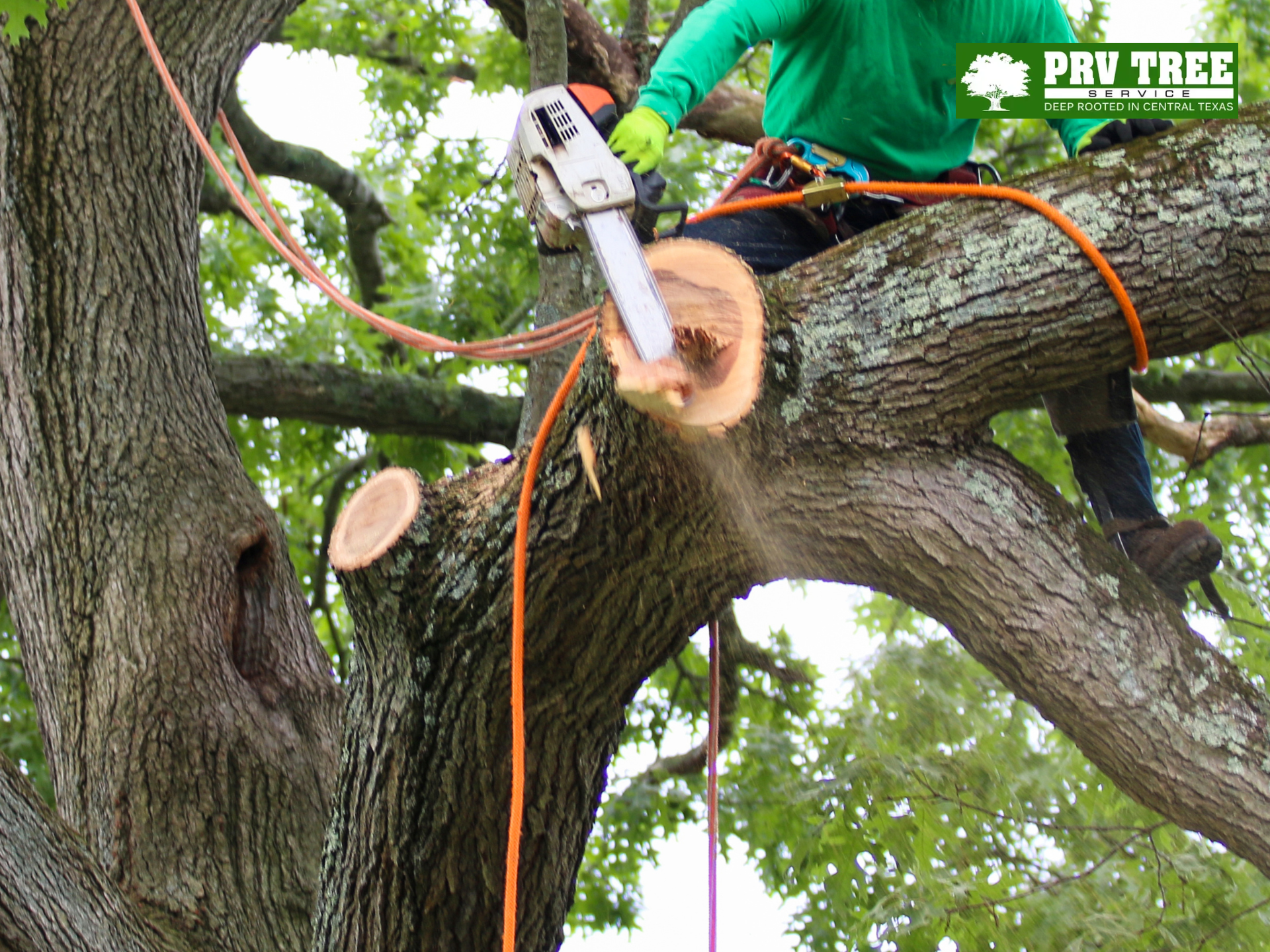
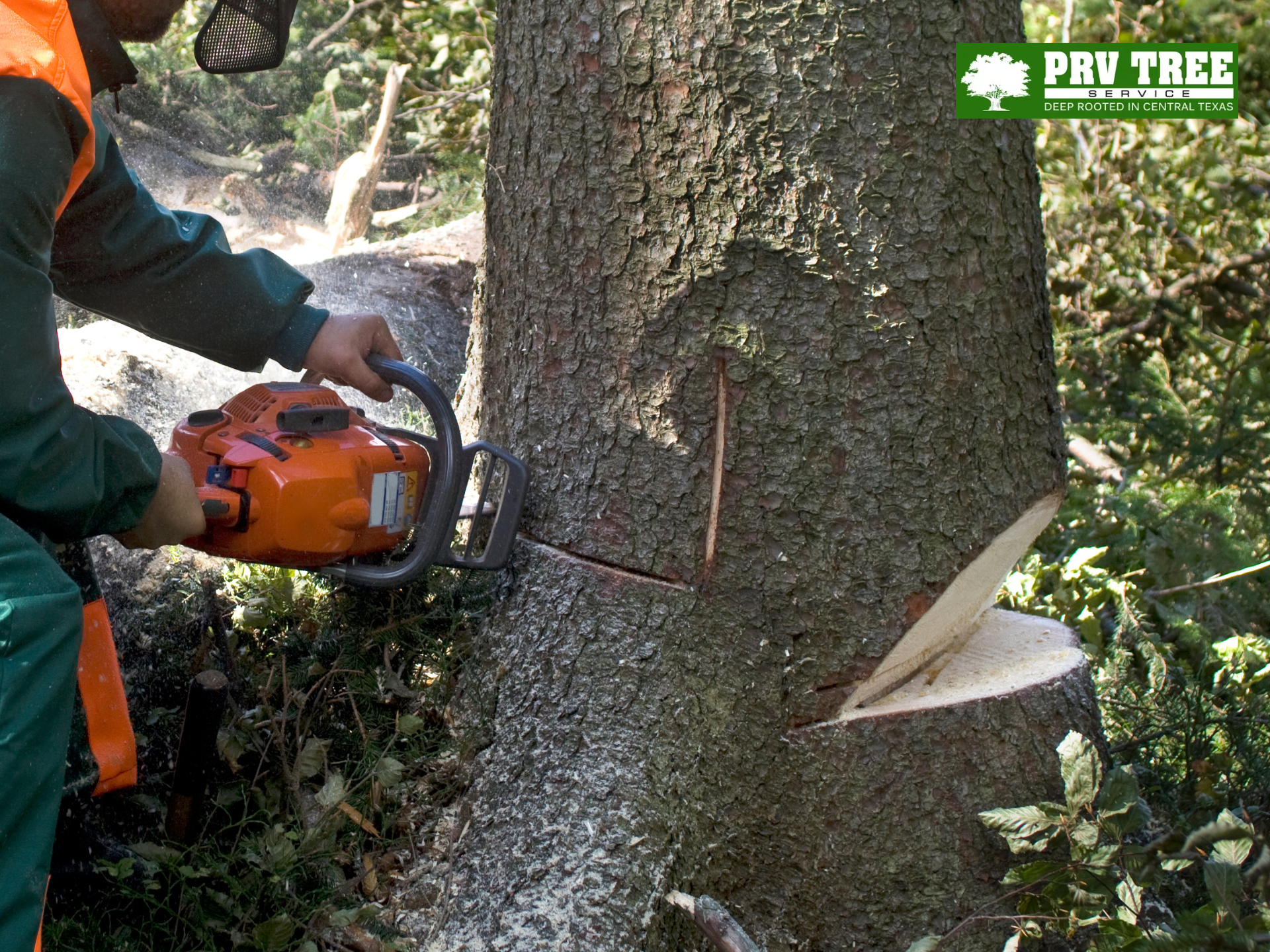
Proper tree trimming requires precise pruning techniques that protect the tree's health while securing your roofline.
Targeted Crown Reduction vs. Topping
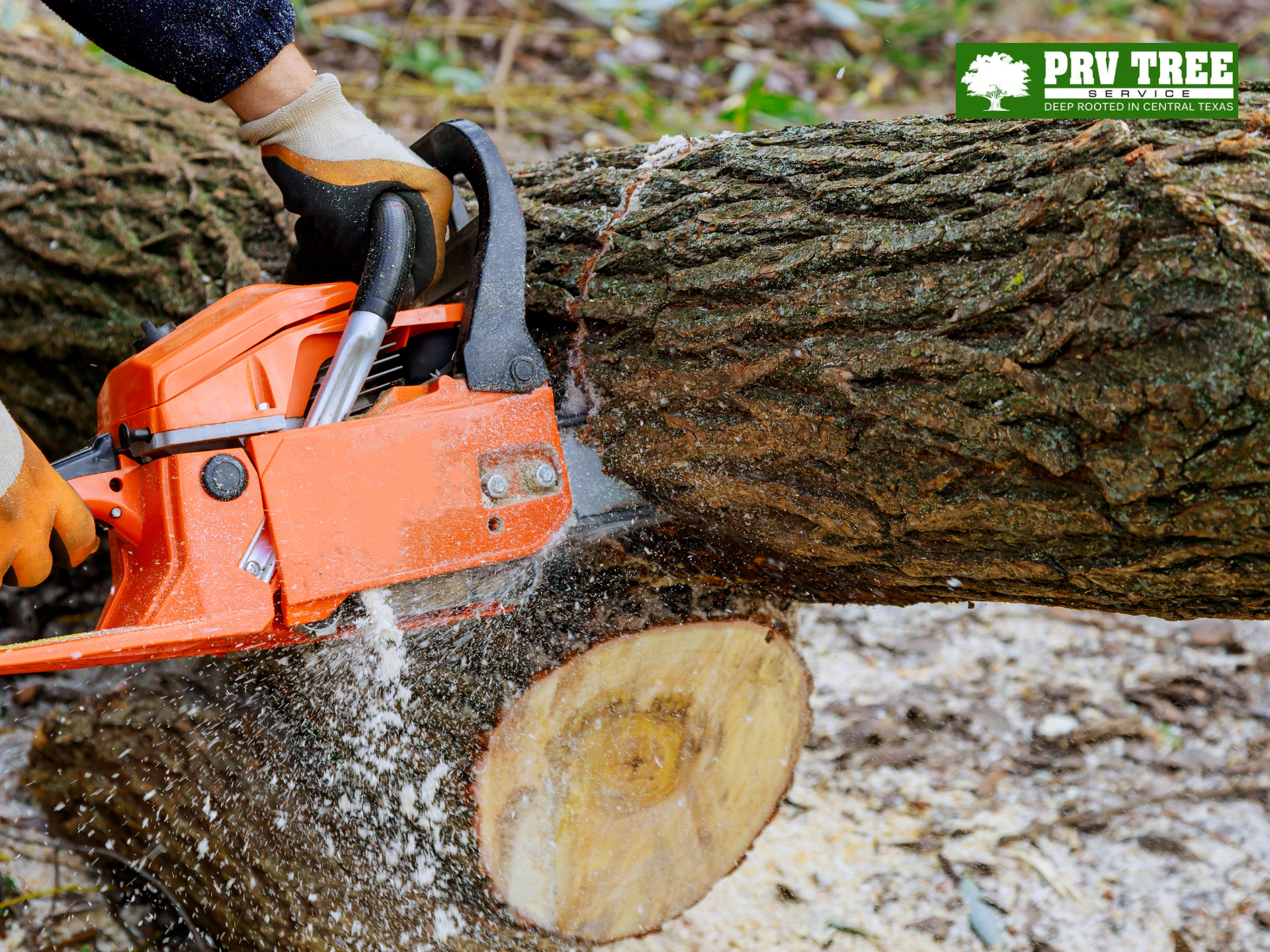
Professional arborists utilize crown reduction and selective branch removal rather than aggressive topping. Cut locations are chosen at branch collars to encourage healing and prevent decay, preserving the tree's natural shape while directing growth away from your house.
Our Professional Tree Care Standards
To assist you in making well-informed choices regarding your trees, our knowledgeable staff exists round-the-clock to respond to inquiries and provide guidance. Our professional arborists have years of experience and are dedicated to providing exceptional tree care for homes and businesses. We ensure that your trees will stay healthy and beautiful; rest assured that our products are of the highest quality and will serve you well.
When managing roof clearance in Austin, our team evaluates growth rates, prevailing wind patterns, and structural proximity to deliver targeted trimming strategies.
Best Practices for Seasonal Canopy Maintenance
Maintaining clearance requires a consistent maintenance strategy tailored to regional weather cycles and local tree species.
- Late Winter Pruning: Perform major clearance trims during dormant months to minimize stress on oak and elm species while maximizing visibility of branch structures.
- Post-Storm Inspections: Check canopy clearance following major wind or ice storms, as heavy winds can shift branch angles or weaken limbs overhanging your roof.
- Monitor Fast-Growing Species: Fast-growing trees require regular audits to prevent branches from re-encroaching on gutters within a single season.
During a recent audit for a property in Westlake, our team identified several overgrown oak limbs dropping dense debris onto low-slope roof valleys. By establishing a 10-foot clearance zone, the homeowner eliminated weekly gutter maintenance and protected their roof integrity.
Frequently Asked Questions
How far should tree branches be trimmed back from a roof?
Tree branches should generally be trimmed back 6 to 10 feet from your roofline. This distance provides adequate clearance to prevent debris from dropping into gutters, stops animals from jumping onto your roof, and keeps branches from scraping shingles during high winds.
Can overhanging branches damage my roof and gutters?
Yes. Overhanging branches drop leaves and twigs that clog gutters, leading to water overflow, wood rot, and foundation issues. Branches rubbing against shingles peel away protective granules, shortening the roof's lifespan.
How often do trees need to be trimmed for roof clearance?
Most mature trees require roof clearance trimming every 2 to 3 years. Fast-growing species or trees situated very close to structures may need annual inspections and light maintenance to keep branches clear of gutters and rooflines.
Will trimming branches away from my roof hurt the tree?
When performed correctly by certified professionals using proper pruning cuts, trimming for roof clearance does not harm the tree. Balanced pruning maintains structural stability and directs energy away from building structures while promoting long-term health.
Protect Your Roof and Gutters with PRV Tree Service
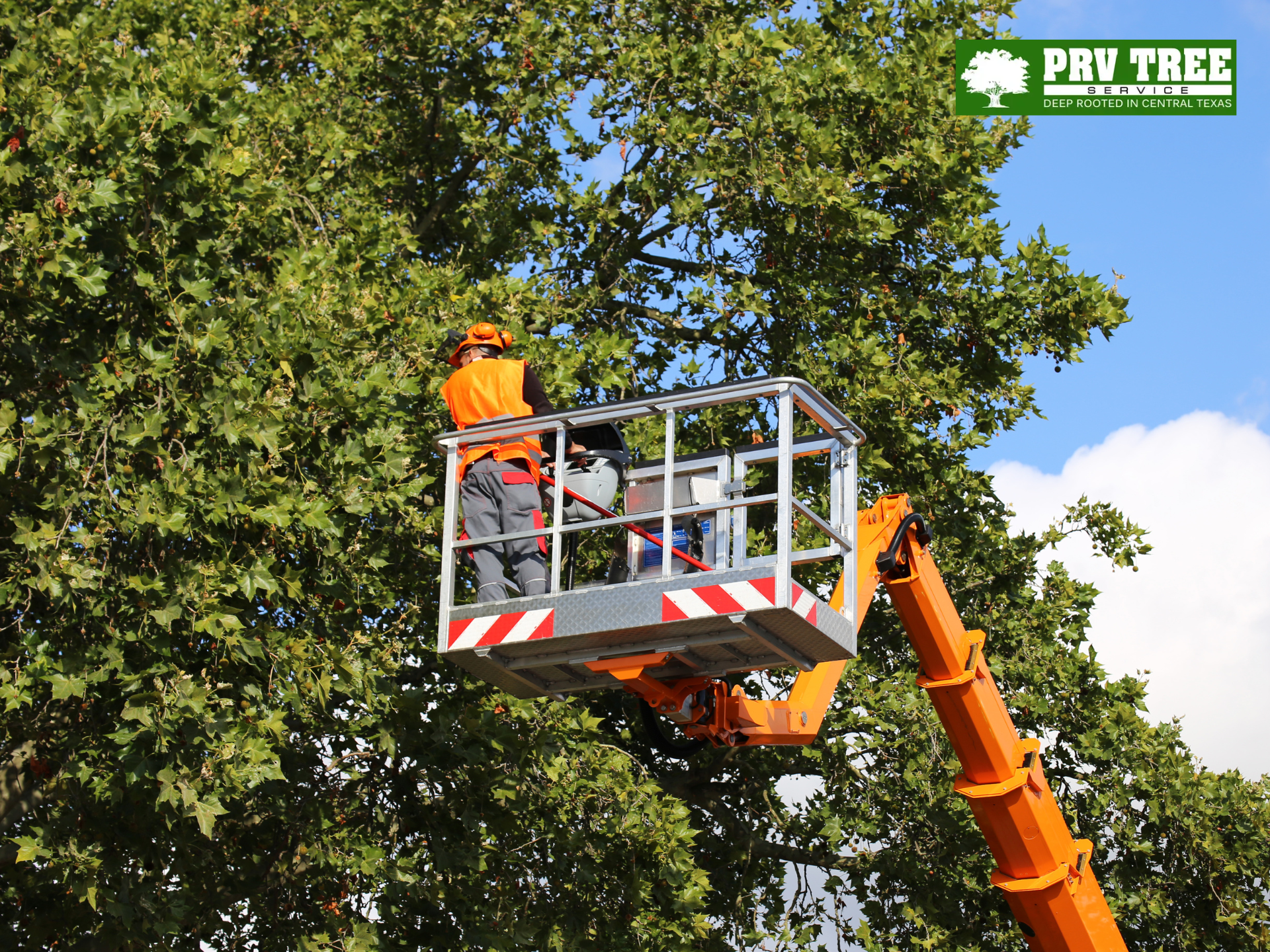
Overgrown canopies and clogged gutters don't have to put your property at risk. At PRV Tree Service, we bring experienced arborist care, fully insured protection, and specialized equipment to every job ensuring your home remains safe, clean, and well-maintained year-round.
Whether you need targeted limb removal, emergency storm cleanup, or a comprehensive property audit, our team delivers reliable solutions with personal attention.
Take the first step toward hassle-free roof and gutter protection.
Contact us today for your free consultation. Let us give you complete peace of mind with expert tree care designed around your property.