How Does Tree Service Protect Roofs, Fences, and Landscaping During Large Tree Removal
Removing massive trees near homes and perimeter fencing is a high-stakes process where falling limbs can easily puncture roofs, crush fences, or rut manicured lawns. To mitigate these risks, professional arborists use strategic rigging, controlled section dismantling, and specialized ground equipment to ensure falling wood never contacts your property. By utilizing heavy-duty impact mats, directional drop techniques, and crane-assisted lifts, certified crews isolate hazards and safely lower tons of weight without causing secondary damage to your turf or structures.
1. Pre-Removal Site Audits and Spatial Engineering
Every safe tree removal starts long before chainsaws ever start up. Professional arborists begin by conducting an exhaustive site assessment to analyze spatial constraints, structural vulnerabilities, and weight distributions.
Identifying High-Risk Zones
During a pre-removal audit, crews map out the direct work zone along with potential fall paths. Arborists carefully assess:
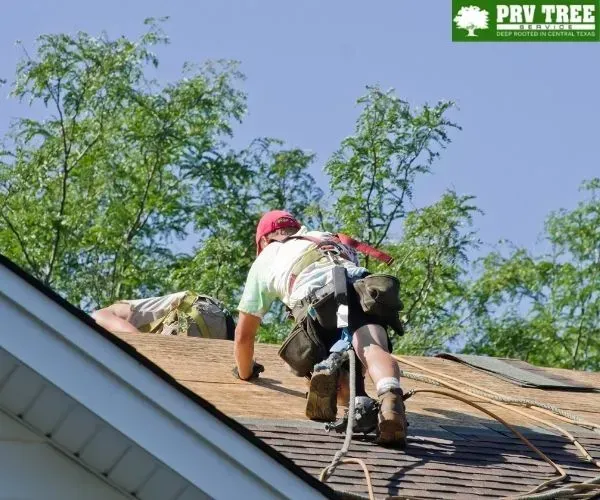
- Roof lines and overhangs: Identifying delicate shingles, gutters, and chimney stacks beneath target branches.
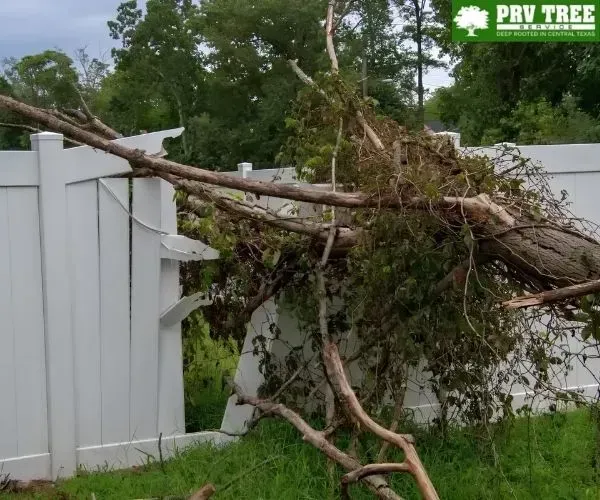
- Property boundaries and fences: Locating wood, chain-link, or wrought-iron fences situated within the drop footprint.
- Underground utilities and irrigation: Marking sprinkler lines, septic tanks, and gas paths to avoid heavy equipment damage.
- Target vegetation: Identifying high-value shrubs, ornamental beds, and secondary trees that require physical shielding.
When evaluating residential properties, booking a dependable Austin tree service ensures that local soil conditions, canopy density, and specific neighborhood guidelines are fully considered before work begins.
Calculating Load Weights and Drop Trajectories
A core element of safe tree care involves math and physics. Arborists evaluate the tree's height, lean, structural decay, and green weight. Green wood, especially from native hardwood species can weigh between 45 to 65 pounds per cubic foot. By calculating section weights in advance, crews select the exact ropes, pulleys, and rigging points required to handle the dynamic forces generated when limbs are cut and suspended in mid-air.
2. Advanced Rigging Systems and Controlled Lowering
When trees are located adjacent to houses or tight property borders, traditional felling (cutting a tree from the base to let it fall in one piece) is impossible. Instead, arborists dismantle the tree section by section using engineered rigging systems.
Friction Brakes and Block Pulleys
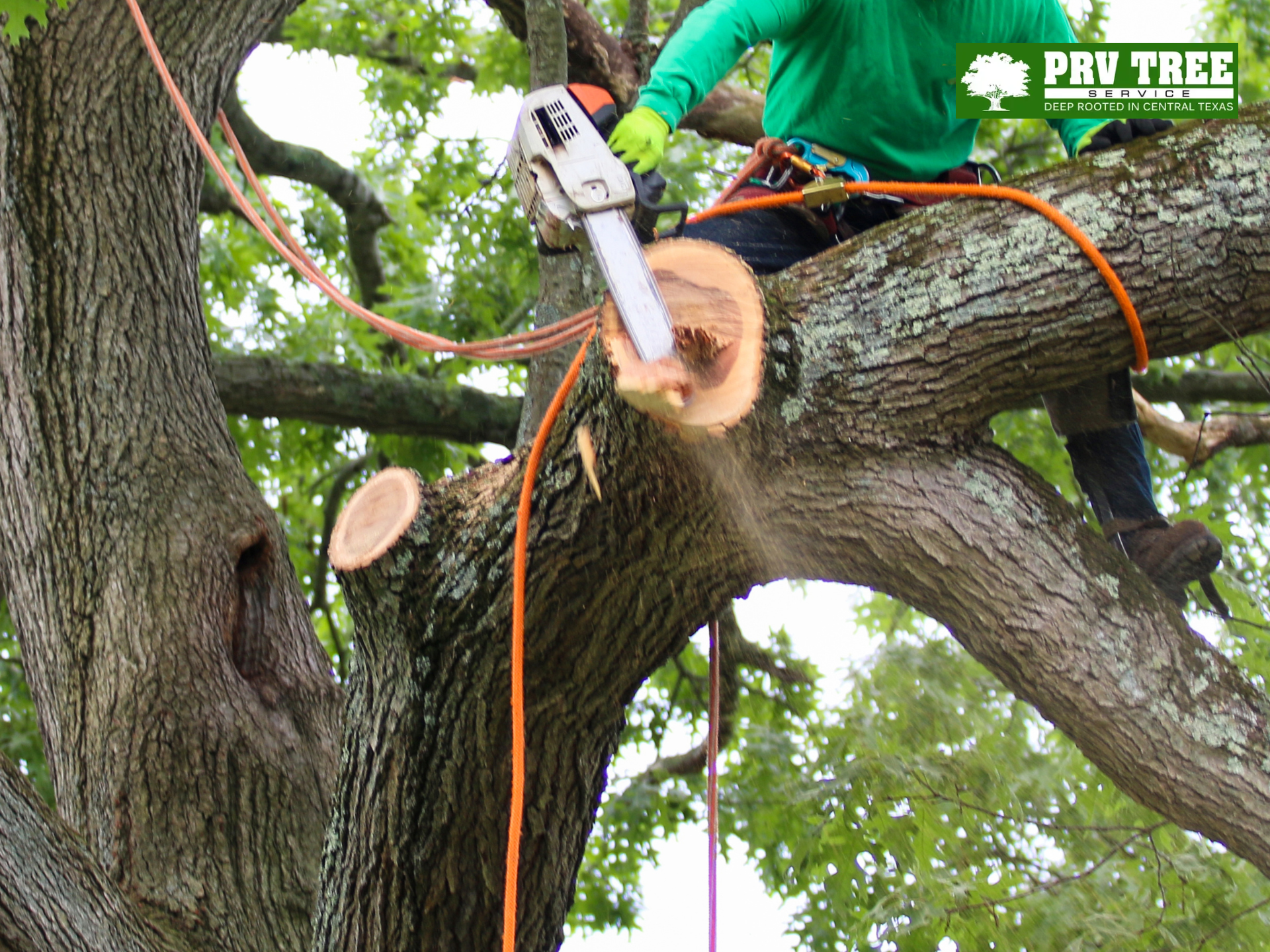
Rather than letting branches fall freely, arborists anchor heavy-duty arborist blocks (high-strength pulleys) near the top of the tree. Strong bull ropes are routed through these pulleys down to a friction-control device attached to the base of the trunk (such as a Port-A-Wrap or friction brake).
When a branch overhangs a roof or fence:
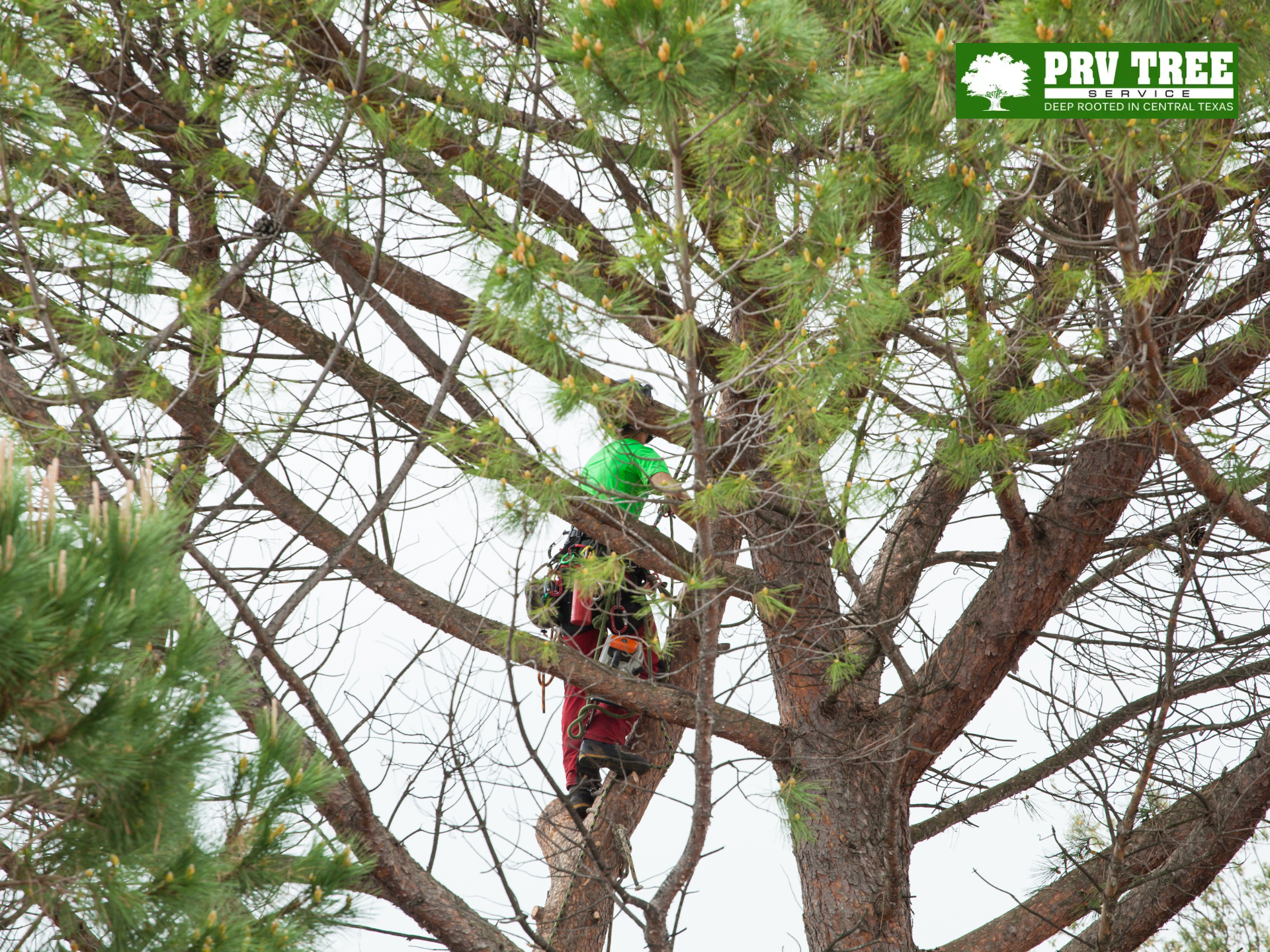
- The climber secures the branch with a rigging line above the cut point.
- The ground crew locks the friction brake to hold the line taut.
- The climber executes a precise notch cut and back cut.
- The ground crew gradually releases friction, gently lowering the severed limb away from structures onto a designated drop zone.
Speedlines and Zip Lines
When a target tree sits directly above a fence line or delicate flowerbed, arborists often deploy speedlines. A heavy steel cable or high-tensile rope is anchored from high in the tree to a point far away in an open yard area. As branches are severed, they are attached to trolley carabiners along the line and slid safely over roofs, fences, and garden beds directly to the processing area near the wood chipper.
3. Ground Protection Practices: Shielding Turf, Hardscapes, and Fences
While high-altitude rigging keeps upper structures safe, protecting the ground level is equally critical. Heavy wood impacts, skid steers, and foot traffic can quickly tear up healthy turf or crack stone patio slabs.
Heavy-Duty Ground Mats
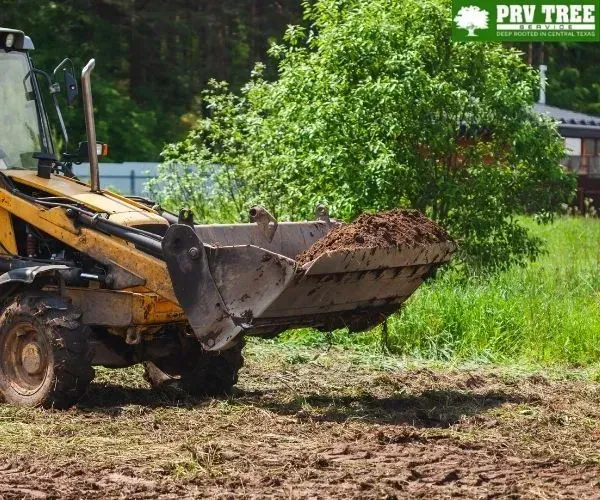
To prevent rutting and soil compaction caused by heavy mini-skid steers or cranes, tree care specialists lay down heavy-duty composite ground mats (such as AlturnaMATS) or thick sheets of exterior-grade plywood. These mats distribute machine weight across a broader surface area, preserving root zones and keeping delicate lawns pristine even after moving several tons of timber.
Partnering with a fully insured tree service in Austin gives homeowners confidence that both specialized ground protection equipment and proper liability protocols are used on every site.
Protective Drop Cushioning
When lowering dense trunk pieces into tight spaces, crews construct temporary drop pads using stacked wood chips, rubber mats, or tire mattresses. This cushioning absorbs kinetic energy, preventing severe lawn divots, underground pipe breaks, or cracked concrete walkways.
Fence Panel Temporary Removal
When trees grow right along property lines, limbs often interlock with fence posts. Rather than risk damaging hard-to-replace fencing, professional crews will carefully unbolt or detach fence sections prior to cutting. Once the tree removal and stump grinding are complete, the fence panels are re-installed exactly as they were.
4. Crane-Assisted Tree Removal for Maximum Control
For hazardous, dead, or severely leaning trees where climbing is unsafe or space is extremely restricted, crane-assisted tree removal provides the ultimate level of protection.
How Crane Removal Eliminates Property Risk
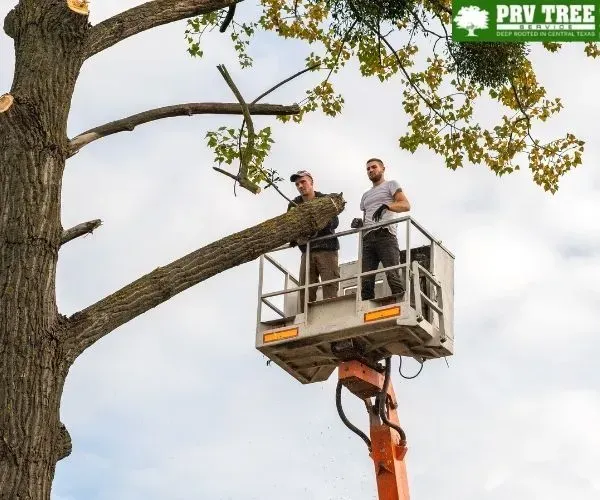
Instead of cutting and swinging limbs downward, a hydraulic crane hooks directly onto a large section of the tree before any cuts are made.
- The crane operator holds the cut section completely stable in mid-air.
- The arborist cuts through the branch or trunk section.
- The crane lifts the section vertically straight up into the air completely clearing nearby roofs, power lines, and fences.
- The crane swings the timber gently into a safe, open landing zone or directly onto a haul truck parked in the driveway.
This approach entirely removes gravity from the equation during the cut, preventing any accidental branches from brushing against roof shingles or fence posts.
5. Our Dedicated Approach to Safe Property Management
Every successful project relies on safety, clear communication, and expert property care. Our experienced arborists deliver exceptional tree care for homes and businesses to keep your trees healthy and beautiful, offering round-the-clock guidance to help you make informed decisions.
By applying these standards to every job site, homeowners receive predictable, stress-free tree management that preserves property value while removing significant structural hazards.
Executing complex tree removals near residential structures requires experienced crews who understand precision rigging and local safety standards. Choosing a certified provider for tree service in Austin, TX ensures your roof, fences, and landscaping remain completely undamaged from start to finish.
6. Post-Removal Cleanup and Landscape Restoration
A complete tree service does not end when the last cut is made. Restoring the job site to pristine condition is essential for protecting the remaining landscape.
Comprehensive Debris Management
- Raking and Blowdown: Crews clear away twig piles, sawdust, and leaves from roofs, gutters, driveways, and lawns.
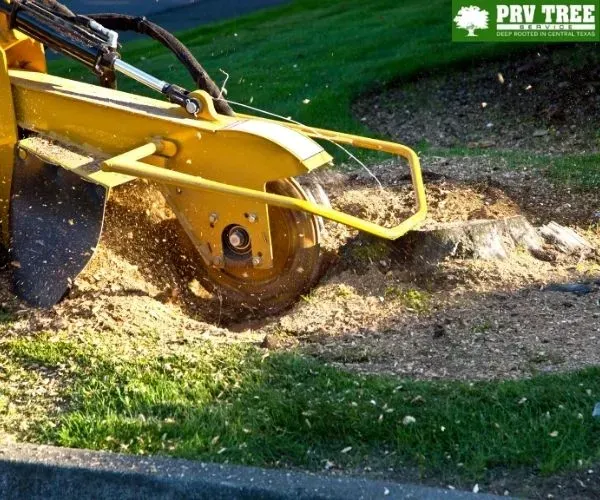
- Stump Grinding Protection: When grinding stumps near fences or foundations, rubber debris shields are erected around the grinder to block flying wood chips and stones.
- Soil Leveling: Ground impressions or small turf displacements are leveled out, returning garden beds and lawn areas to pristine condition.
Frequently Asked Questions
Will tree removal equipment damage my lawn or driveway?
Not when proper protection measures are used. Reputable tree services lay down thick composite ground mats to distribute heavy machinery weight, preventing tire ruts in lawns and cracking on concrete driveways.
How do tree services remove large branches overhanging a roof?
Arborists use directional rigging systems, block pulleys, and friction control devices. The limb is bound with ropes before cutting, cut using precise notch techniques, and slowly lowered away from the roof line rather than allowed to fall freely.
Is a tree service responsible if my fence or roof is damaged?
Fully insured tree care companies carry comprehensive general liability and worker’s compensation insurance to cover accidental property damage. Working with a fully insured provider guarantees financial protection in the rare event of an incident.
Can trees be safely removed near power lines?
Yes, but trees touching or within close proximity to utility lines require specialized equipment and certified line-clearance arborists. In many cases, the utility company will clear branches near high-voltage lines before private tree removal begins.
Protect Your Property with Trusted Local Arborists
Managing hazardous trees near your home or business shouldn't risk damaging your roof, fences, or lawn. At PRV Tree Service, our fully insured arborists combine advanced rigging equipment and strict protection protocols to deliver safe, precise tree care. Whether you need emergency storm cleanup, trimming, stump grinding, or complex removal, we provide clear guidance, transparent estimates, and complete peace of mind.
Ready to address your tree care needs?
Contact us today to schedule your free consultation with our knowledgeable team!