What Should Property Owners Compare When Choosing a Tree Service for Tree Removal or Pruning
When choosing a tree service for removal or pruning, property owners should compare insurance coverage, qualifications, written estimates, safety practices, equipment, cleanup, and the specific scope of work. Looking beyond the lowest price can help you determine whether different companies are actually offering comparable services and whether the work is planned appropriately for your property.
What Should You Compare Before Hiring a Tree Service?
A tree service should be evaluated based on more than its quoted price. Before hiring a company, compare:
- Insurance coverage and documentation
- Arborist credentials and relevant experience
- The details included in the written estimate
- Proposed pruning or removal methods
- Safety practices
- Equipment appropriate for the property
- Cleanup and debris removal
- References, reviews, and communication
These factors can help you distinguish between estimates that may look similar but include very different levels of service.
Does the Tree Service Have Appropriate Insurance?
Ask for current proof of insurance before work begins. Depending on the work and company structure, relevant coverage may include general liability and workers' compensation.
A Certificate of Insurance can help verify that coverage is in place. Property owners should review the documentation rather than relying only on a verbal statement from a contractor.
Insurance does not determine the quality of a tree service, but it is an important part of evaluating the company before allowing work to take place on your property.
What Qualifications Should You Look For?
Ask who will assess and perform the work and what relevant training or credentials they have.
For complex pruning, hazardous trees, or removal near structures, utility lines, or other obstacles, experience with professional arboricultural practices is particularly important. An ISA Certified Arborist may be a useful credential to look for when you need professional tree-care knowledge, although certification should not be treated as a guarantee of a particular result.
It is also worth asking how the company approaches the specific tree rather than simply asking how many years it has been in business.
What Should a Tree Service Estimate Include?
A detailed written estimate should explain what the company is actually proposing to do. At a minimum, compare whether each estimate clearly identifies:
- Which trees or branches are included
- Whether the work involves pruning or complete removal
- The intended pruning objectives, when applicable
- How removed material will be handled
- Whether cleanup and debris removal are included
- Whether stump work is included or priced separately
- Any access, equipment, or property considerations
- The expected project scope and payment terms
A detailed scope makes it easier to compare estimates accurately and reduces confusion about what is included after the work is completed.
How Do You Compare Two Tree Service Estimates?
Do not compare estimates by price alone. First determine whether both companies are quoting the same work.
For example, one estimate may include complete debris removal while another may leave logs or brush on the property. One company may include stump grinding separately, while another may not address the stump at all.
When comparing estimates, ask:
- Are both companies addressing the same trees?
- Is the same type of pruning or removal being proposed?
- Is cleanup included?
- Are stump services included or excluded?
- Are there additional charges for difficult access or specialized equipment?
- Does the estimate explain what happens to the removed material?
- Are the payment and scheduling terms clear?
The goal is to compare equivalent scopes of work rather than simply selecting the lowest number.
What Safety Practices Should a Professional Tree Service Follow?
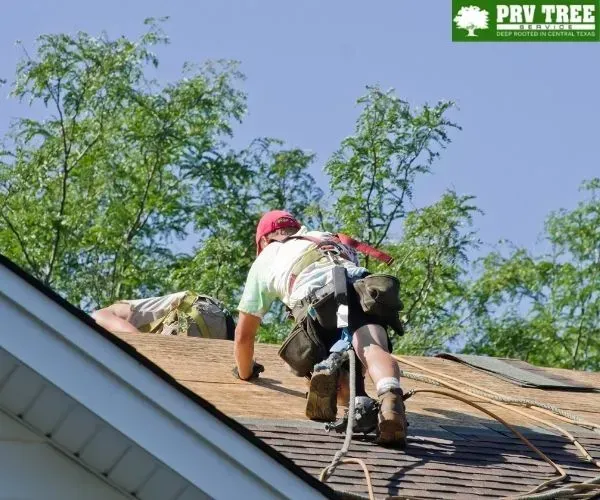
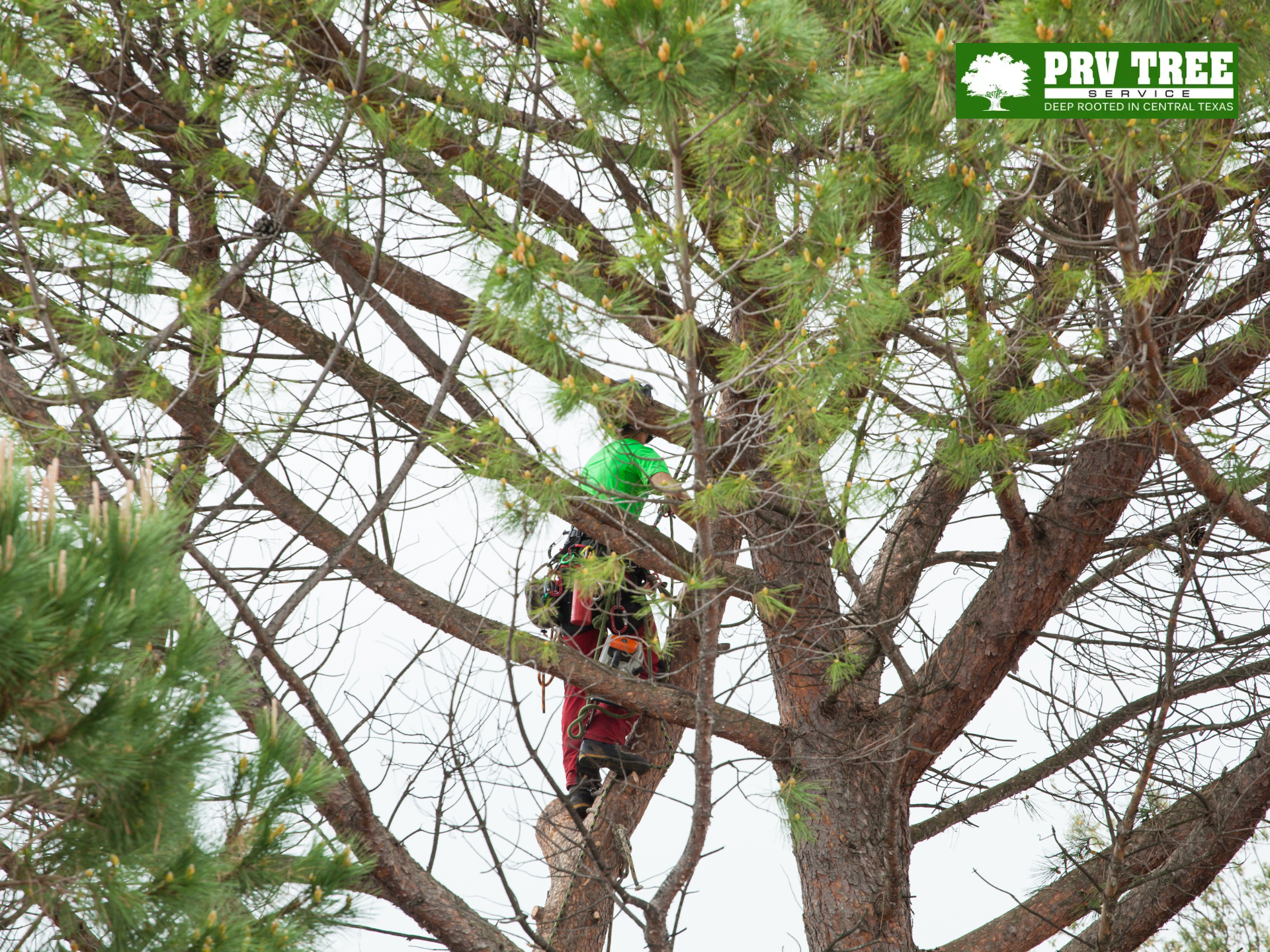
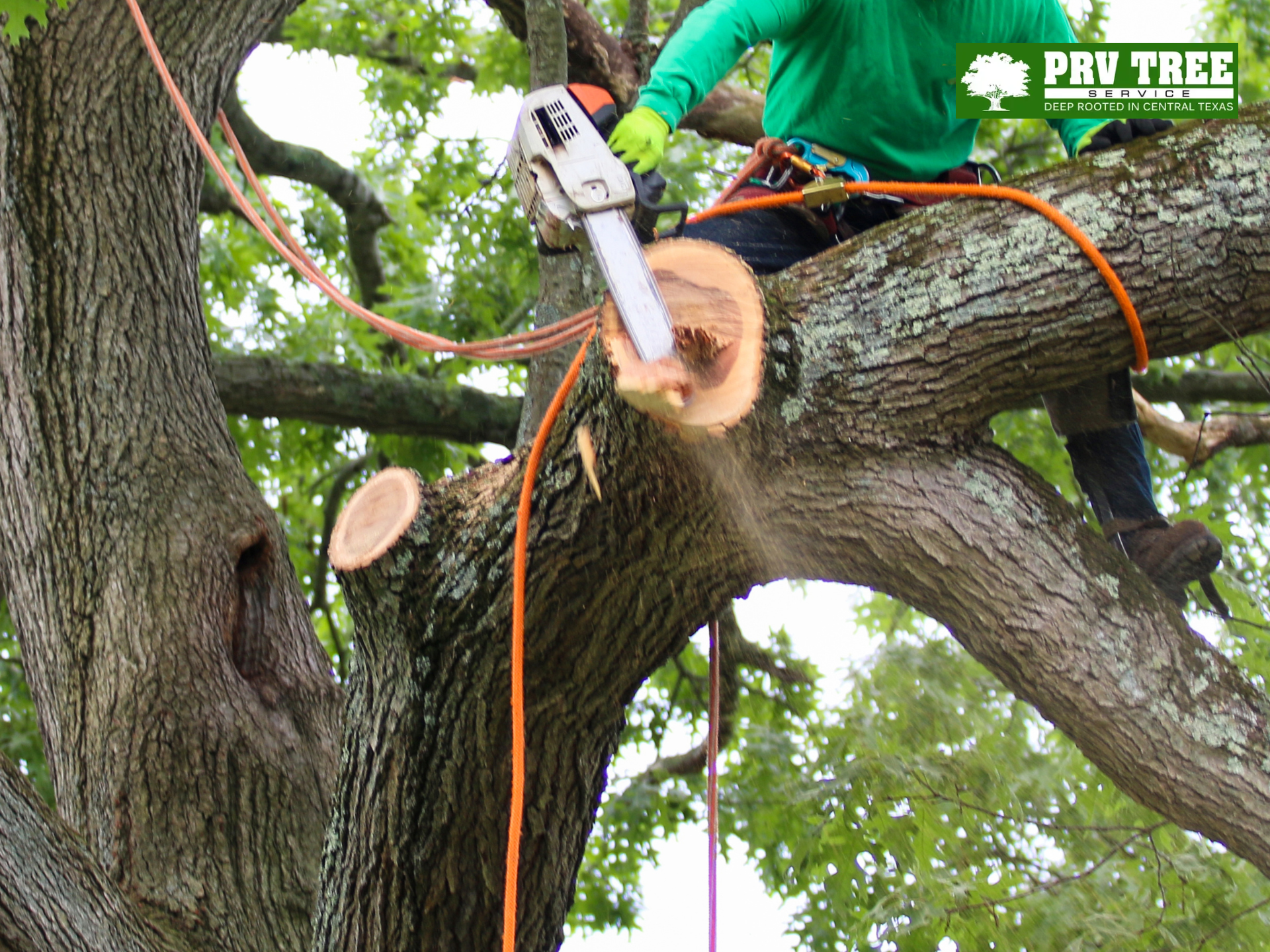
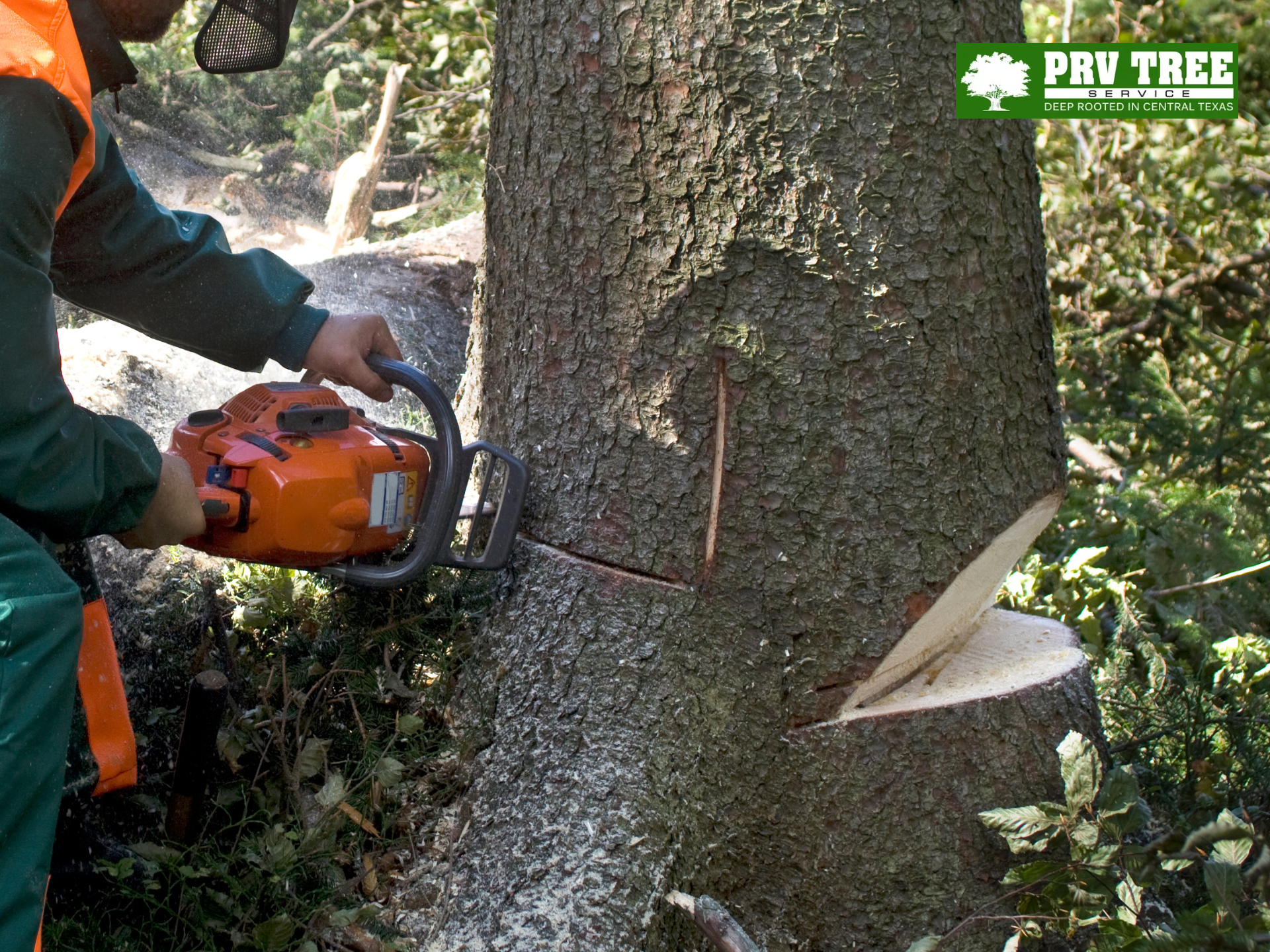
Tree removal and pruning can involve falling branches, climbing, cutting equipment, rigging, and work around structures. Ask how the company plans to control hazards before work starts.
Look for clear communication about:
- Work zones and drop areas
- Personal protective equipment
- Equipment and climbing practices
- Rigging or controlled lowering when needed
- Protection of nearby structures and landscaping
- Potential hazards involving utility lines or restricted access
Professional tree work should be planned around the conditions of the individual property rather than performed using the same approach for every job.
Does the Company Have the Right Equipment for the Job?
The right equipment depends on the tree, property layout, access, and hazards involved.
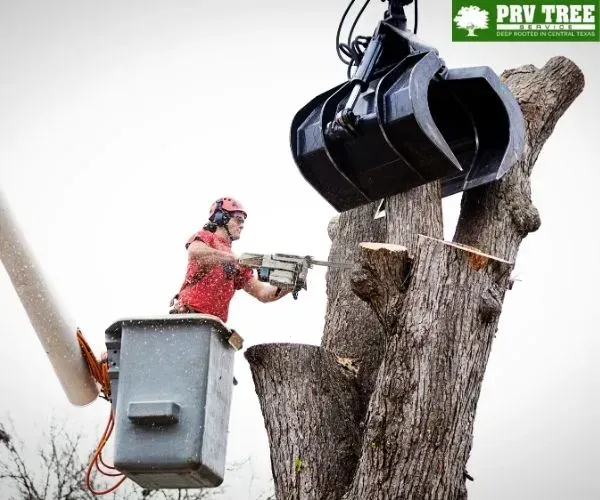
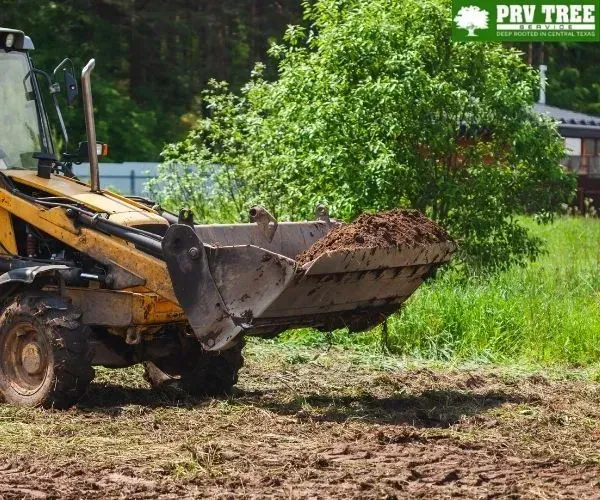
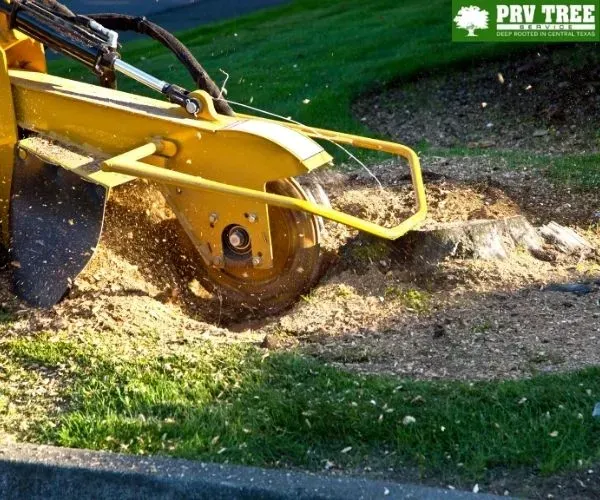
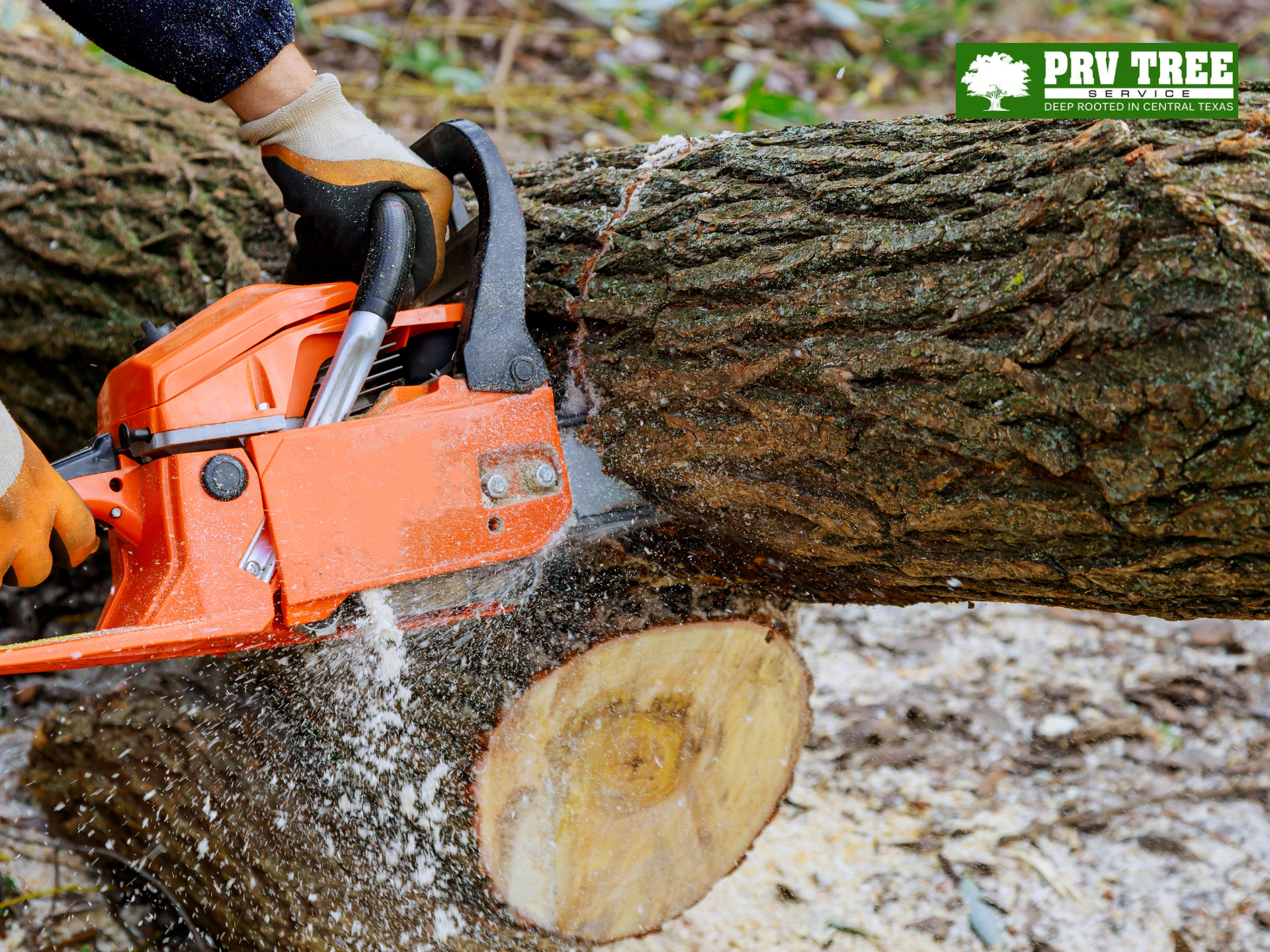
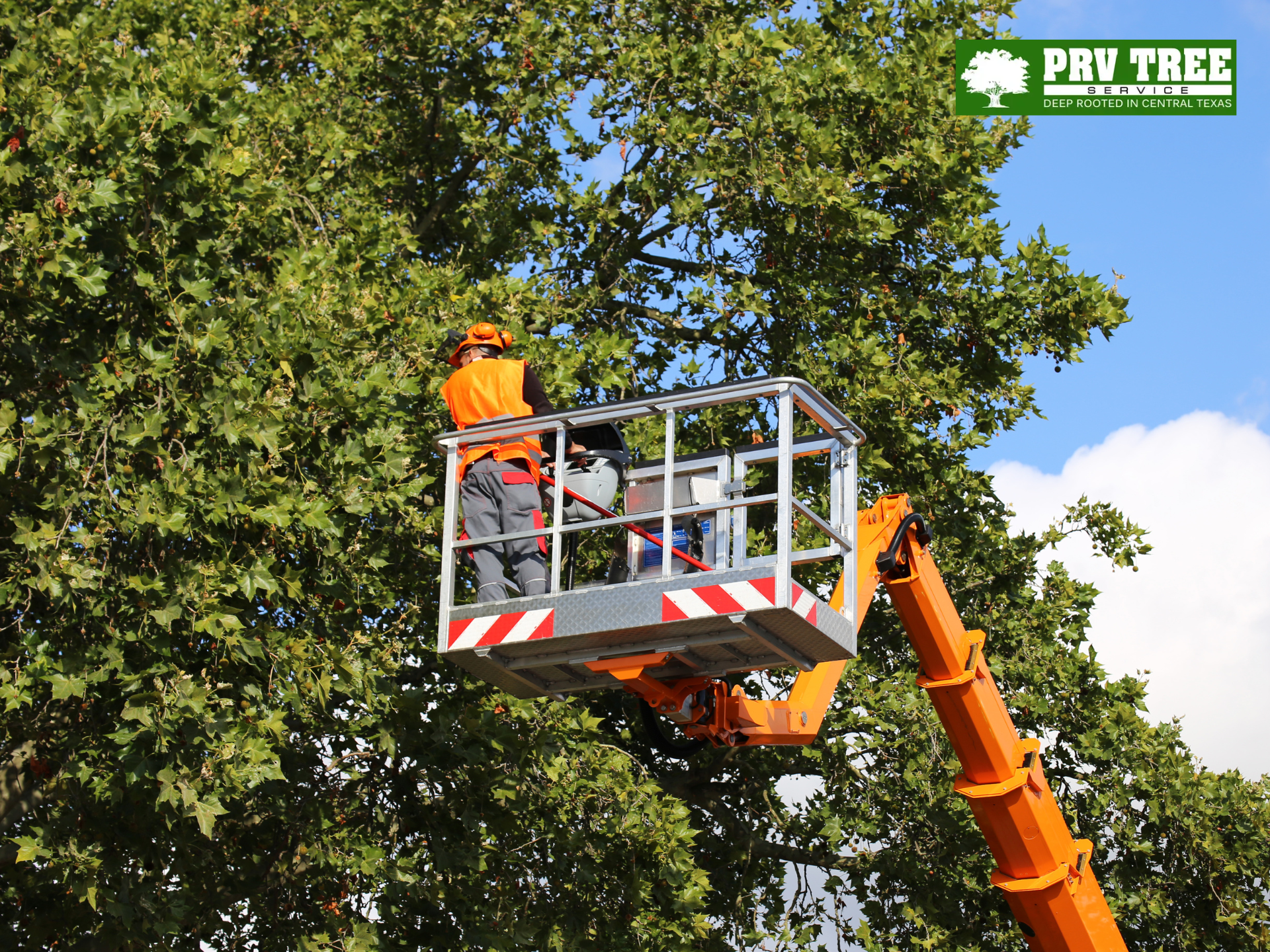
A tree service may use equipment such as bucket trucks, chippers, cranes, stump grinders, climbing systems, or specialized rigging when appropriate. However, more equipment does not automatically mean better service.
Instead, ask whether the proposed equipment is suitable for the work and how the company intends to protect structures, landscaping, driveways, lawns, and other property features.
Is Cleanup Included in the Estimate?
Cleanup should be clearly addressed before the work begins.
Ask whether the quoted service includes removal of branches, brush, logs, and wood chips generated by the project. If the company leaves certain materials on-site, the estimate should make that clear.
Also confirm whether stump grinding, hauling, or additional cleanup is considered a separate service. Clarifying these details beforehand can prevent unexpected differences between the estimate and the finished project.
What Are Red Flags When Choosing a Tree Service?
Property owners should take extra care when a company:
- Cannot provide current insurance documentation
- Gives only a vague verbal estimate
- Cannot clearly explain the proposed work
- Uses pressure tactics to demand an immediate decision
- Provides unclear cleanup terms
- Cannot explain who will perform or supervise the work
- Makes guarantees about tree health or safety that cannot reasonably be supported
A low estimate is not necessarily a problem, but a major price difference should prompt questions about whether the companies are actually offering the same scope of work.
When Should a Tree Be Evaluated by a Professional?
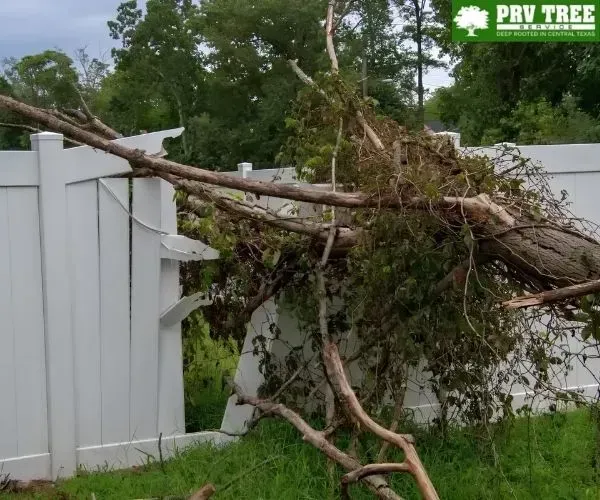
Professional evaluation can be appropriate when a tree has significant dead or damaged branches, visible structural problems, storm damage, disease concerns, major leaning, or branches that could affect buildings, vehicles, people, or utility infrastructure.
Property owners should avoid relying on a single visual symptom or a fixed percentage rule to decide whether a tree must be removed. Tree condition, structural stability, location, species, surrounding conditions, and the potential consequences of failure can all affect the appropriate recommendation.
A professional assessment can help determine whether pruning, monitoring, or removal is appropriate for the specific situation.
Questions to Ask Before Hiring a Tree Service
Before choosing a company, consider asking:
- Can you provide current proof of insurance?
- Who will evaluate the tree and perform the work?
- What exactly is included in the estimate?
- Is cleanup included?
- Is stump work included?
- What safety measures will be used?
- What equipment will be required?
- Are there additional charges I should know about?
- How will the work area and surrounding property be protected?
- Can you explain why pruning or removal is recommended?
Clear answers can make it easier to compare companies on the quality and completeness of their proposed work rather than price alone.
Choosing a Tree Service for Your Property
The right comparison starts with the scope of work. Verify insurance and qualifications, review the written estimate, ask about safety and equipment, confirm cleanup responsibilities, and make sure you understand why pruning or removal is being recommended.
If you are researching an Austin tree service, these comparison factors can help you evaluate local providers based on their qualifications, proposed scope, safety practices, and overall communication.
Property owners looking for tree service in Austin can review these details before selecting a company for pruning or removal. Comparing equivalent scopes of work can make it easier to understand why estimates may differ.
For those specifically looking for tree service in Austin, TX, reviewing insurance, credentials, project scope, cleanup responsibilities, and safety practices can provide a more complete basis for evaluating a provider.
Frequently Asked Questions
What should I ask a tree service before hiring them?
Ask about insurance, qualifications, the proposed scope of work, safety practices, equipment, cleanup, stump services, pricing terms, and who will perform the work.
How do I compare two tree service estimates?
Compare the scope first. Make sure both estimates address the same trees, services, cleanup responsibilities, stump work, equipment needs, and other project requirements before comparing prices.
What should be included in a tree removal estimate?
A removal estimate should clearly identify the tree or trees being removed, the proposed work, debris and cleanup responsibilities, stump services if applicable, access considerations, and payment terms.
How can I verify a tree service's insurance?
Request current insurance documentation or a Certificate of Insurance and review the coverage before work begins. Avoid relying solely on verbal assurance.
Should I hire an arborist for tree removal or pruning?
For complex, hazardous, or potentially declining trees, professional arboricultural expertise can help evaluate tree condition and determine whether pruning, monitoring, or removal is appropriate.
What are the biggest red flags when choosing a tree service?
Unverifiable insurance, vague estimates, unclear cleanup terms, high-pressure sales tactics, and an inability to explain the proposed work are reasons to ask additional questions before hiring.
Need Professional Tree Care?
If you’re comparing options for tree pruning or removal, PRV Tree Service can help you understand the work your property may need and the factors involved in planning it.
Contact us today to discuss your tree-care needs and request a professional estimate.