How Does Stump Removal Work, and What Happens to the Roots Underground
Stump removal works by grinding the visible tree base into woodchips using heavy machinery or completely excavating the central stump and root ball. Once the main structure is ground below the soil line, subterranean roots lose their nutrient supply, stop growing, and naturally decompose over several years. This permanently clears your lawn's surface while safely eliminating the hidden root system beneath.
The Two Primary Methods for Handling Tree Stumps
When dealing with a leftover tree base, arborists generally distinguish between two distinct procedures: stump grinding and full stump removal (excavation). While people often use the terms interchangeably, they involve different equipment, depth levels, and subterranean outcomes.
1. Stump Grinding
Stump grinding is the most common, cost-effective, and minimally invasive technique for property owners.
- The Machinery: A specialized machine equipped with a heavy, high-speed carbide-toothed wheel is positioned over the stump.
- The Process: The operator sweeps the spinning blade back and forth across the wood, shaving it down layer by layer into fine mulch and soil mixture.
- The Depth: Standard grinding typically takes the stump 4 to 12 inches below the soil grade. This is deep enough to cover the site with fresh topsoil, lay sod, or plant grass.
- The Outcome: The primary surface mass is destroyed, but the vast majority of the underground root network is left in place to decay naturally over time.
During a recent site assessment for a residential property, our crew evaluated how grinding effectively neutralizes tripping hazards while preserving nearby shallow utility lines. Choosing professional stump removal in Austin, TX guarantees that the surface is brought down evenly below grade without disturbing surrounding turf.
2. Complete Stump Extraction (Excavation)
Full removal is a far more intensive process reserved for specific landscape goals and site construction requirements.
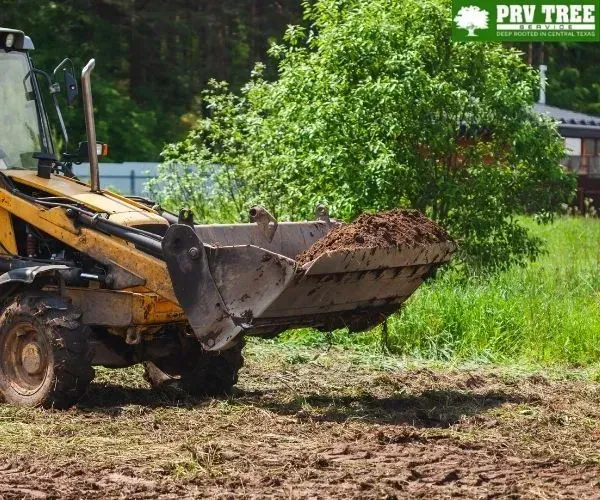
- The Machinery: Heavy machinery such as mini-excavators, backhoes, or specialized hydraulic root pullers are brought onto the property.
- The Process: The soil around the entire perimeter of the tree base is dug out to expose the primary root flare and major lateral roots. The heavy root connections are severed, and the entire root ball is lifted out of the ground.
- The Depth: Excavation reaches as deep as the root ball extends, often 2 to 4 feet deep or more.
- The Outcome: The stump and core root ball are completely extracted, leaving a large crater that requires significant backfilling with fresh fill dirt and topsoil.
What Happens to Tree Roots Underground After Removal?
The most common concern homeowners have after removing a tree stump is whether the underground root system will continue to spread, lift concrete pavers, or damage home foundations.
Do Roots Keep Growing After the Stump Is Gone?
In almost all tree species, roots cannot grow on their own once severed from the trunk. Tree roots do not possess photosynthetic capabilities; they rely entirely on the leaves in the canopy to produce sugars and feed the system. When the trunk and canopy are removed, the root system is deprived of energy.
Without fuel, the roots immediately cease growing. They can no longer exert force against underground utilities, retain their active structural expansion, or push up nearby driveways and sidewalks.
The Natural Decomposition Timeline
Once a stump is ground down or excavated, the remaining feeder and structural roots undergo a gradual decay process driven by beneficial soil microorganisms, fungi, and insects:
- Year 1 (Systemic Death): Within weeks of stump removal, the fine feeder roots die off. Deprived of moisture transport, the outer root bark begins to soften and detach.
- Years 2 to 4 (Fungal Breakdown): Microscopic saprophytic fungi colonize the damp, woody roots underground. Softwood species (like pine or cedar) decompose rapidly, while dense hardwoods (like live oak or pecan) decay more slowly.
- Years 5 to 7+ (Complete Humification): Structural roots soften into sponge-like material, eventually breaking down into rich organic humus that blends directly into the surrounding native soil.
When working in the dense clay soils of Austin, TX, subterranean wood shrinks noticeably as it decomposes over several seasons. Filling and compacting topsoil over the ground stump area prevents small surface depressions from developing as the underlying root mass breaks down.

Factors That Influence How Underground Roots Behave
While most roots die quietly underground, certain variables determine how quickly they decay or whether they attempt one final push for survival.
1. Tree Species and "Sucker" Sprouts
Aggressive species like crepe myrtles, elms, and willows can send up green "root suckers" after grinding to restart photosynthesis. Clip these at ground level immediately or apply a targeted herbicide to drain the remaining root energy.
2. Soil Moisture and Oxygen Levels
Soil microbes need air and moisture to break down underground wood. Roots in dense clay decay much slower than those in loose, well-aerated sandy loam.
3. Fungal Growth on the Surface
Clusters of lawn mushrooms along old root pathways are a normal sign of natural decay. They feed on decaying subterranean wood without harming your grass and disappear once the roots fully break down.
Why Professional Stump Care Matters for Your Property
Leaving a raw stump in the ground attracts pests like subterranean termites, carpenter ants, and wood-decay fungi, which can spread to healthy trees or nearby structures. Partnering with a skilled team for stump removal in Austin protects your property from pest hazards and ensures safety near utility lines.
Our professional arborists have years of experience and are dedicated to providing exceptional tree care for homes and businesses. We ensure that your trees will stay healthy and beautiful, rest assured that our products are of the highest quality and will serve you well, to assist you in making well-informed choices regarding your trees, our knowledgeable staff exists round-the-clock to respond to inquiries and provide guidance.
Step-by-Step Overview of the Clearance Process
To give you a clear idea of what to expect during a professional service visit, here is the standard workflow for clearing a tree stump safely:
- Utility & Hazard Clearance: The site is thoroughly inspected, and local underground utilities (gas, electric, fiber optics) are marked. Nearby rocks, metal debris, and surface debris are cleared to protect grinding blades.
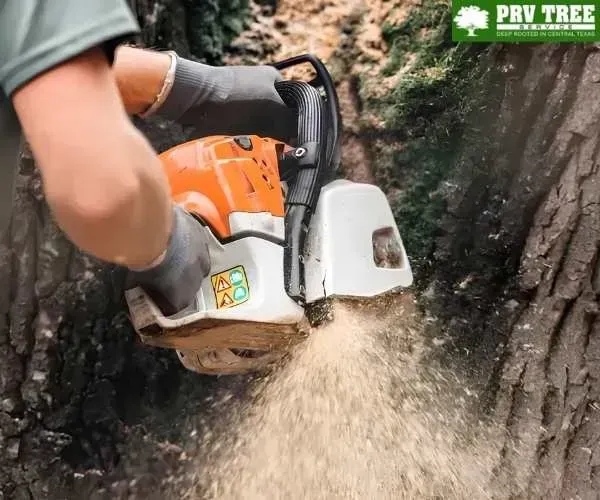
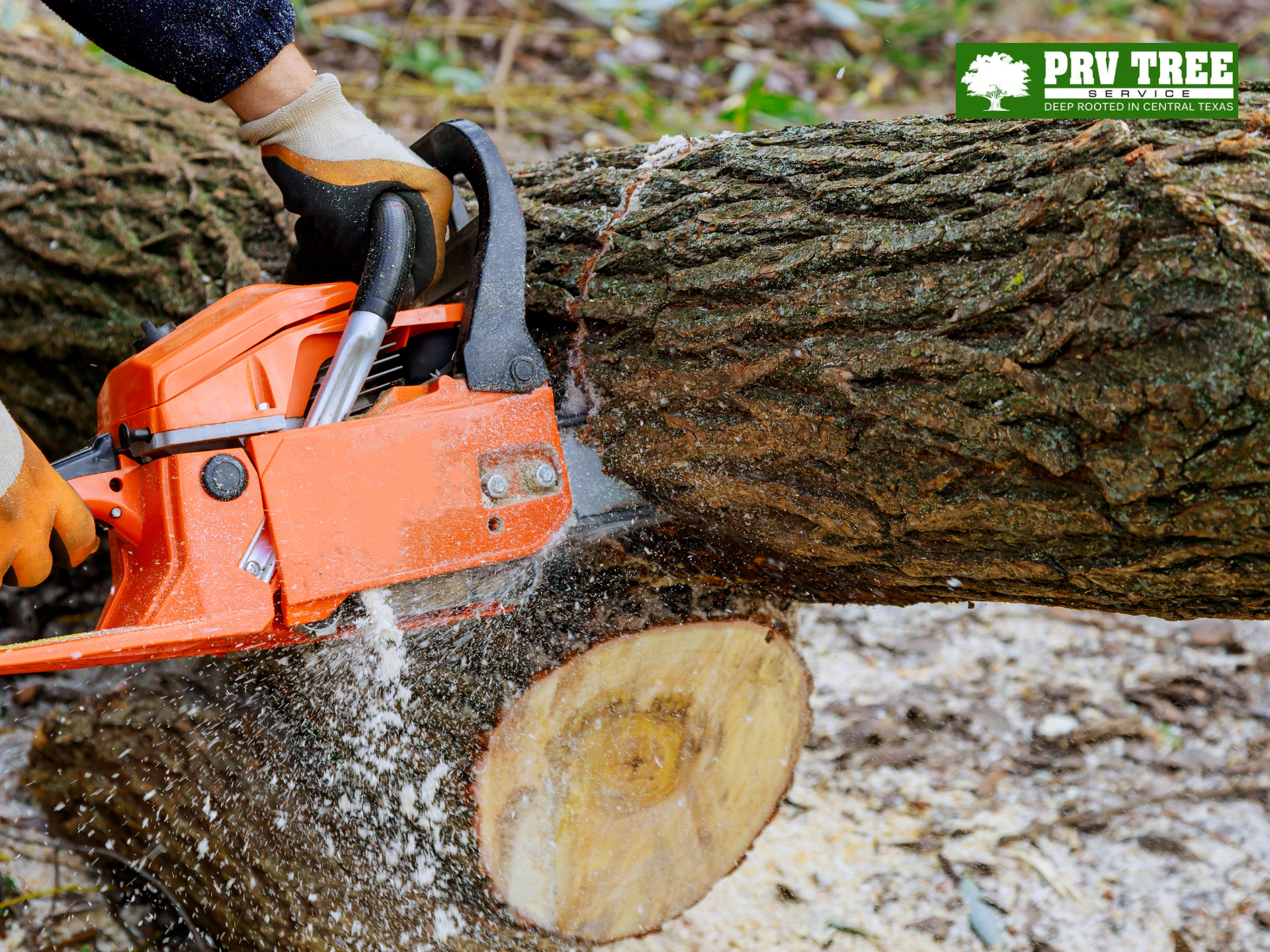
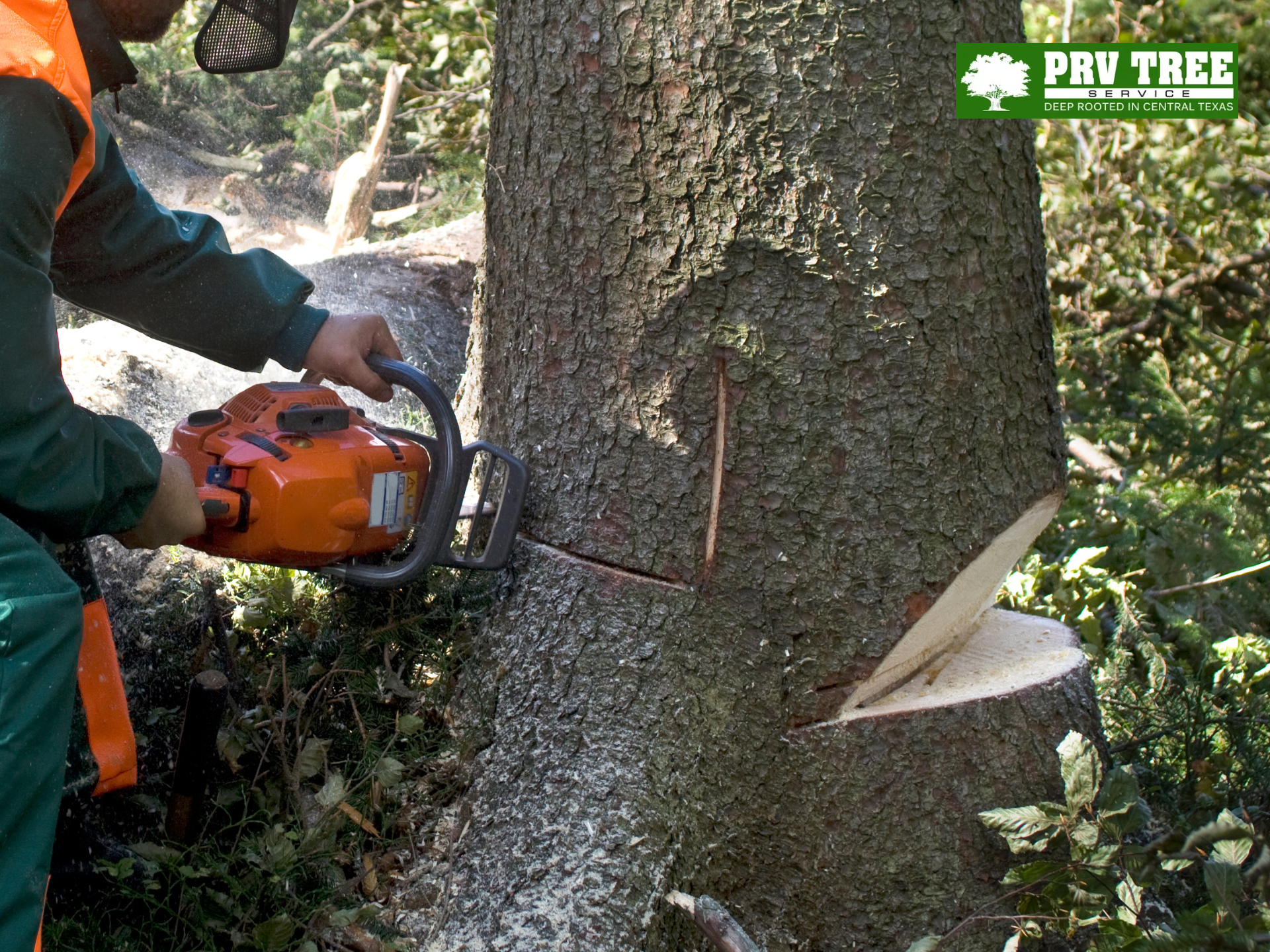
- Trunk Reduction: Chainsaws are used to cut the remaining stump as close to the ground level as safely possible, reducing the volume of wood that needs to be ground.
- Grinding Execution: The operator maneuvers the stump grinder over the root flare, grinding down to the designated depth (typically 6–10 inches below grade) and extending slightly past the visible perimeter to sever main lateral root attachments.
- Debris Management & Backfilling: The resulting mixture of mulch and soil is backfilled into the hole to prevent a hazardous open pit. Excess wood chips can be repurposed for garden beds or hauled away.
- Soil Restoration: The area is topped off with fertile topsoil, compacted gently, and seeded or sodded to seamlessly match the rest of your lawn.
For properties in Austin, TX, combining high-grade machinery with proper site restoration ensures your lawn recovers quickly and stays hazard-free for years to come.
People Also Ask
Can you plant a new tree directly where a stump was ground down?
Avoid planting in the exact spot immediately. Decaying woodchips drain soil nitrogen, and leftover roots block growth. Plant 3 to 5 feet away, or wait 1 to 2 years while fertilizing the soil.
Will ground tree roots cause the ground to sink over time?
Yes, rotting underground roots shrink soil volume, causing minor lawn settling. Fill any shallow dips with topsoil or compost and re-seed as needed.
How deep does a stump grinder go underground?
Standard grinders reach 4 to 12 inches deep ideal for grass or shallow plants. Construction or concrete work requires deep grinding (up to 18 inches) or full excavation.
Do I need to treat the ground with chemicals after grinding a stump?
Usually no, as roots die naturally. However, sprouting species (like willow or crepe myrtle) may require a targeted herbicide to stop sucker growth.
Partner with Local Tree Care Professionals
Dealing with an unsightly or hazardous tree stump shouldn't stand in the way of a beautiful, safe lawn. Proper stump clearance from PRV Tree Service eliminates tripping hazards, prevents pest infestations, and frees up valuable outdoor space for your next landscaping project.
When you need reliable Austin stump removal, working with a licensed, fully insured team guarantees the job is done safely, cleanly, and efficiently. Whether you require complete root clearing, routine tree trimming, lot maintenance, or emergency storm response, turning to experienced local specialists provides complete peace of mind.
If you are looking for dependable tree care and professional service, contact us today!