How Do Professional Arborists Determine Whether a Damaged Tree Can Be Saved or Needs Tree Removal
Professional arborists determine whether a damaged tree can be saved by inspecting its trunk, roots, branches, canopy, and stability. They consider the cause and extent of the damage, the tree’s ability to recover, and the consequences if it fails. Their findings guide a recommendation for treatment, monitoring, or removal.
What Do Arborists Examine During a Tree
Assessment?
Trunk Condition and Structural Integrity
The trunk supports the canopy and transfers its weight to the root system. An arborist looks for deep cracks, splits, cavities, missing bark, old wounds, and decay. Extent matters: minor bark damage is different from a split affecting a major part of the trunk.
Root Health and Stability
Roots anchor the tree and absorb water and nutrients. Inspectors look for severed or exposed roots, decay near the base, fungal growth, soil heaving, and changes in the ground around the trunk. Excavation, construction, paving, and drainage changes can damage roots even when the canopy still looks healthy.
Canopy, Branches, and Signs of Disease
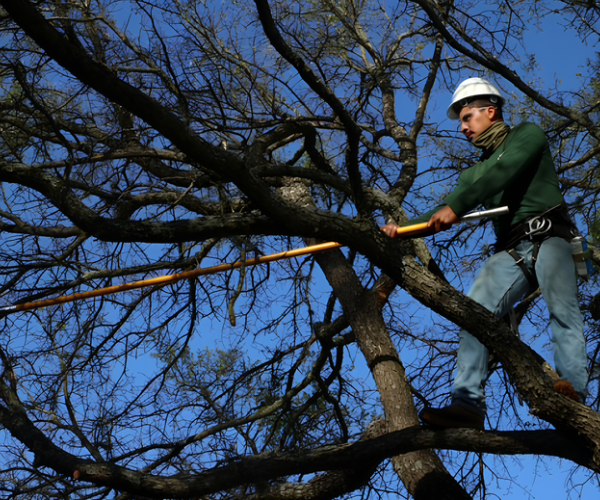
Arborists check for dead branches, broken limbs, sparse foliage, uneven growth, premature leaf drop, and dieback. They also inspect branch unions for cracks or weak attachments. Some canopy loss can be managed by removing damaged limbs while retaining healthy growth. Extensive dieback may indicate a broader problem involving roots, disease, pests, or environmental stress.
Discolored leaves, fungal growth, insect holes, loose bark, and decaying wood can indicate disease or pest activity. The arborist identifies the likely cause, determines how far it has progressed, and considers whether treatment is practical.
How Do Arborists Decide Whether Treatment Can Help?
A sound recommendation connects the observed damage to a practical treatment plan. The arborist identifies the problem and considers whether proposed work can reduce the defect or support recovery without causing additional stress.
- Inspect the tree and surroundings. Examine the trunk, root collar, visible roots, main branches, and canopy. Note nearby buildings, roads, parking areas, walkways, and utility lines.
- Evaluate defects and risk. Consider the likelihood of a branch or the whole tree failing and the possible consequences. Risk depends on the tree’s condition and the people or property that could be affected.
- Identify the cause. Storm damage, poor pruning, root disturbance, pests, disease, and unsuitable growing conditions require different responses.
- Determine suitable work. If the tree is sufficiently sound, options may include selective pruning, treatment for a diagnosed pest or disease, or changes to the growing environment. Some trees need monitoring rather than immediate work.
- Explain the recommendation. The owner should understand the findings, proposed work, and reason for the decision. If removal is recommended, the arborist should explain why preservation is unsuitable.
What Tree Care Can Preserve a Damaged Tree?
The right work depends on the type and extent of damage. Pruning can address selected branch defects, but it cannot repair every problem in a trunk or root system.
Tree pruning in Cedar Park. TX removes selected dead, broken, diseased, or poorly attached branches. Proper cuts protect the branch collar and avoid unnecessary trunk damage. Removing too much live foliage can reduce the tree’s ability to produce energy, so the amount removed should reflect the tree’s condition.
For homeowners considering tree trimming in Cedar Park TX, an assessment can establish which branches need attention and whether the work will reduce a specific hazard. Trimming may also address branches that interfere with structures or access areas, but excessive cutting can weaken a tree.
Other preservation measures may include:
- Crown cleaning: Removing dead, dying, broken, or diseased branches.
- Crown thinning: Selectively removing branches while retaining healthy foliage.
- Crown reduction: Shortening selected branches while maintaining natural form, when appropriate.
- Structural pruning: Improving branch arrangement and addressing defects in developing trees.
- Root zone care: Protecting roots and improving growing conditions where soil problems contribute to stress.
These methods are not interchangeable. Heavy topping, indiscriminate cutting, or severing major roots can worsen a tree’s condition. Work should follow an assessment and use techniques suited to the species and situation.
When Is Tree Removal the Appropriate Recommendation?
Removal may be justified when defects cannot be corrected enough to make the tree acceptably safe, or when recovery is unlikely and continued decline creates a hazard. The decision should be based on the tree’s condition.
Severe Trunk Damage
A major split, extensive decay, or compromised trunk may leave too little sound structure to support the tree. Pruning the canopy does not solve a serious defect in the main trunk. The arborist assesses whether the remaining wood can safely support the tree under expected conditions.
Major Root Failure
Severed structural roots, decay near the root collar, or a disturbed root plate can undermine stability. Sudden leaning accompanied by lifted soil or cracking around the base is a warning sign. Keep people away and arrange a prompt assessment.
Advanced Decline or Unmanageable Risk
A tree with widespread dieback, serious decay, or advanced disease may have limited recovery potential. The arborist considers the species, affected tissue, management options, and safety concerns.
Location also matters. A defective tree beside a home, business, road, or frequently used outdoor area may expose people and property to harm if it fails. If pruning, barriers, or other reasonable measures cannot reduce the risk, removal may be the responsible option.
For property owners researching tree removal in Cedar Park,TX, an on-site assessment can clarify whether the defects warrant removal or whether preservation remains a reasonable choice. The arborist should explain the findings and the scope of recommended work.
A Common Misconception: Every Leaning or Storm-Damaged Tree Must Be Removed
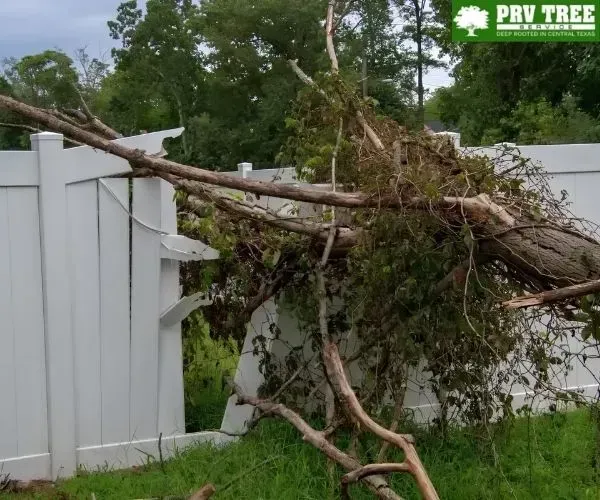
A tree does not automatically need removal because it leans or has lost branches. Some trees develop an angle as they grow, and some storm-damaged trees retain sound trunks and stable roots. The important question is whether the damage has compromised stability or created a risk that cannot be managed.
A sudden change in lean is different from a long-standing growth habit. Soil movement, exposed roots, fresh cracks, and a lifted root plate may signal failure at the base. Broken branches may need prompt removal without making the entire tree unsafe.
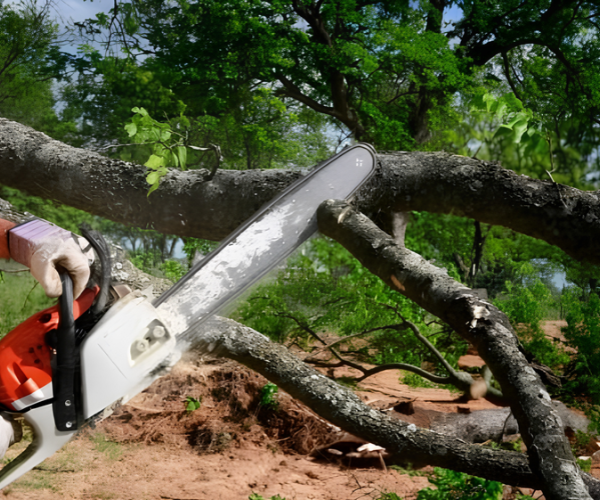
Do not climb, pull, or cut a storm-damaged tree to test its stability. Hanging limbs and split branches can move without warning. Keep clear of the area and ask a qualified professional to assess the tree.
People Also Ask About Damaged Trees
How do arborists know if a tree can be saved?
Arborists inspect the trunk, roots, canopy, branches, and signs of disease or decay. They consider whether defects can be managed and whether the tree can remain acceptably safe. Recommendations may include treatment, pruning, monitoring, or removal.
Can a tree recover after losing large branches?
It can, if enough healthy structure and foliage remain and the trunk and roots are sound. The size and location of wounds, species, and overall condition affect recovery. An arborist can determine whether pruning and monitoring are appropriate.
Does a leaning tree always need to be removed?
No. Some trees naturally grow at an angle. A sudden lean, soil movement, exposed roots, or cracking near the base is more concerning and warrants prompt assessment.
Can pruning save a damaged tree?
Pruning can help when the problem is limited to damaged, dead, or poorly attached branches. It cannot restore a severely split trunk or replace major structural roots. The defect should be assessed before cuts are made.
Should a damaged tree be inspected after a storm?
Yes. Storms can cause cracks, hanging limbs, root movement, and damage that is not obvious from a distance. Keep away from affected trees and have potentially hazardous conditions assessed.
Who should decide whether a tree needs removal?
A qualified arborist or experienced tree care professional should assess the tree and explain the findings. For complex or high-risk cases, an independent assessment from an appropriately credentialed arborist may be useful.
Get a Professional Assessment From PRV Tree Service
A damaged tree should not be removed based on appearance alone, but warning signs should not be ignored. PRV Tree Service assesses the trunk, roots, canopy, and surrounding property to determine whether treatment can address the problem or whether tree removal is necessary.
If you are concerned about a damaged, leaning, or unhealthy tree, contact us to discuss your property and request a free consultation or quote. The team can explain the available options and recommend work based on the tree’s condition and safety needs. Visit the PRV Tree Service website to learn more about tree care in Cedar Park and request assistance.