Tree Trimming Round Rock: Maintaining the Natural Beauty of Your Landscape
In the heart of Texas, Round Rock stands out with its verdant landscapes and robust tree population. To maintain this allure, tree trimming in Round Rock is not just a practice but an art that balances the city's ecological health with its aesthetic charm. This guide delves into the best practices for tree trimming, ensuring that the natural beauty of your landscape is both preserved and enhanced.
Importance of Professional Tree Trimming
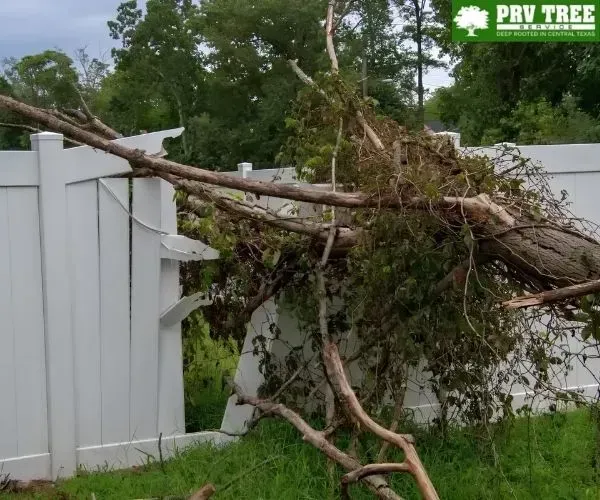
Tree trimming Round Rock is a critical component of landscape management, ensuring that trees remain safe and attractive. Regular maintenance by professionals helps to prevent the spread of disease and keeps potentially dangerous limbs from causing damage during the region's unpredictable weather.
Proper Tree Health and Safety
A professional tree trimming service in Round Rock will have the expertise to identify which branches require trimming to maintain the tree's health. Removing dead or diseased limbs reduces the risk of falling branches and promotes the well-being of the tree, preventing the spread of decay and insects.
Aesthetic and Growth Benefits
Aesthetically, trees contribute to the overall beauty of Round Rock's properties. Strategic trimming shapes trees to complement landscapes, enhancing the view while guiding healthy growth. Properly trimmed trees are less likely to suffer from the weight imbalance that can lead to structural failure.
Tree Trimming Practices in Round Rock
The unique Texan climate and diverse species of trees in Round Rock call for specific tree trimming practices. With the region experiencing everything from intense heat to sudden cold snaps, understanding the local tree species and the best times to trim is essential for the health and safety of both the trees and the community.
Seasonal Considerations
When it comes to tree trimming in Round Rock, timing can significantly affect the health of your trees. Trimming during the dormant season, typically late winter to early spring, can prevent the spread of diseases and encourage vigorous growth when the growing season begins. For instance, oak trees, prevalent in Round Rock, are highly susceptible to oak wilt. Trimming these trees at the correct time of year is vital in preventing the spread of this deadly disease.
Techniques and Tools
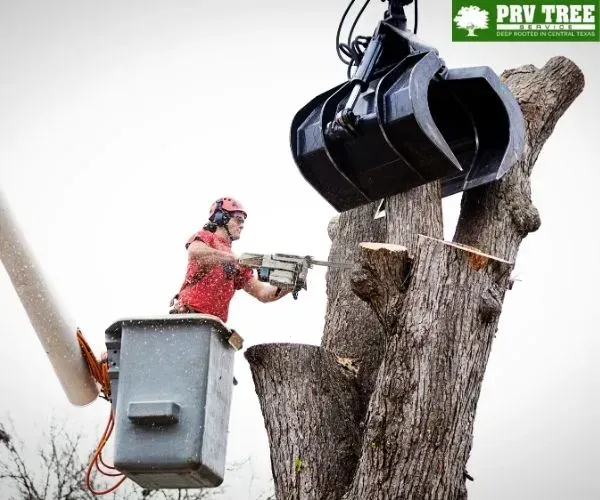
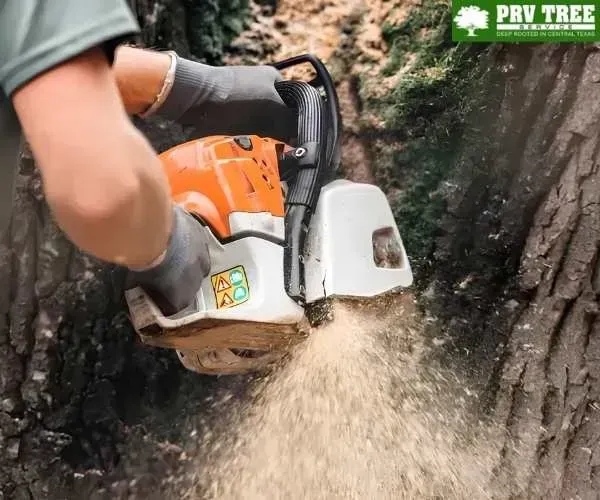
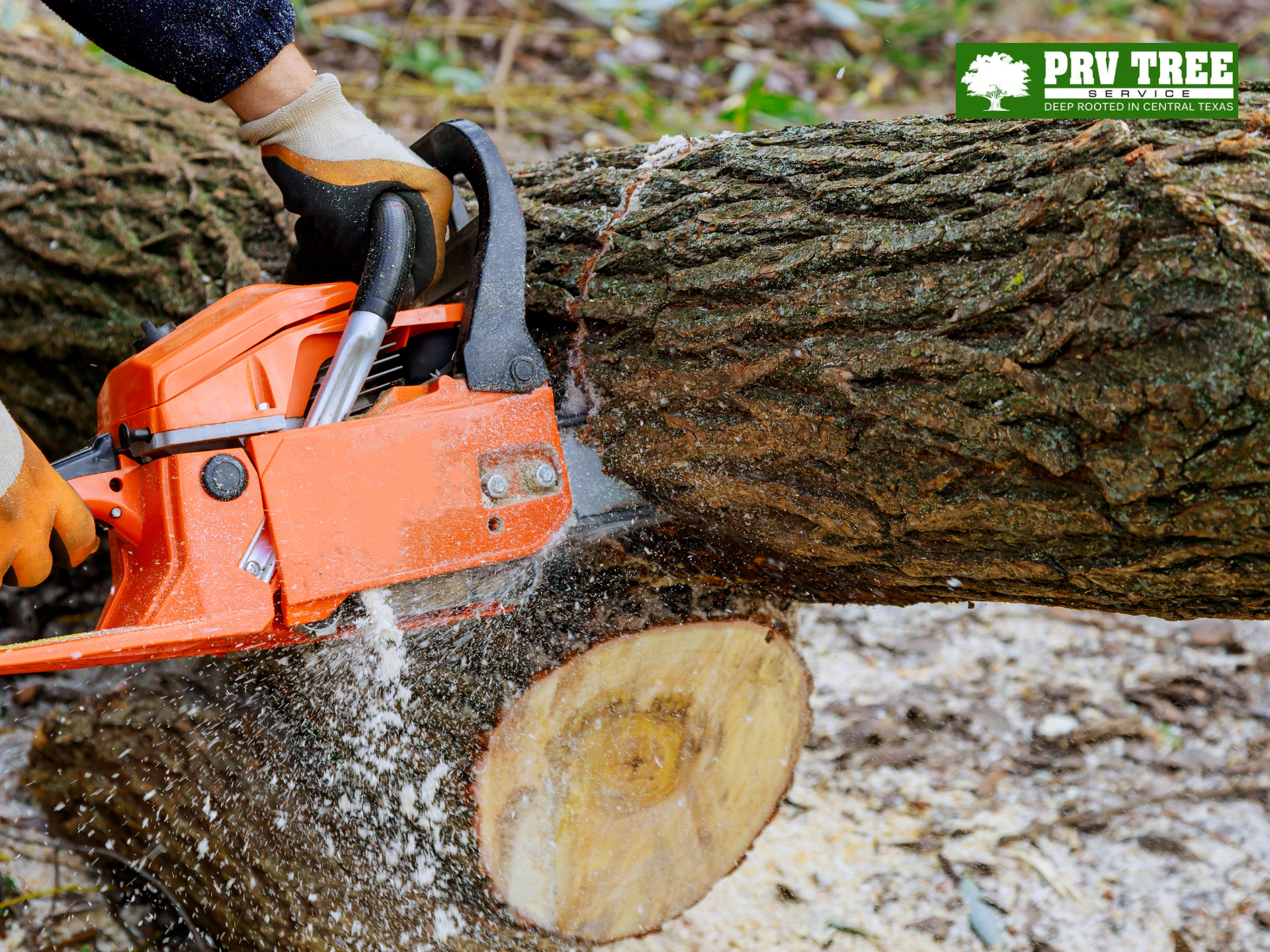
Professionals specializing in tree trimming in Round Rock are equipped with a variety of tools that match the job at hand. For larger, mature trees, pole saws are often used to reach higher branches, while hand pruners and shears are used for smaller trees and more precise cuts. The technique employed will also vary; for example, crown thinning allows light and air to filter throughout the tree, promoting a healthier structure, while crown raising removes lower branches to clear space for traffic or to enhance views.
Choosing a Tree Trimming Service in Round Rock
The right tree trimming service in Round Rock will not only maintain the aesthetic value of your property but will also enhance the health and longevity of your trees. It's important to choose a service that understands the specific needs of Round Rock's urban forestry.
Experience and Expertise
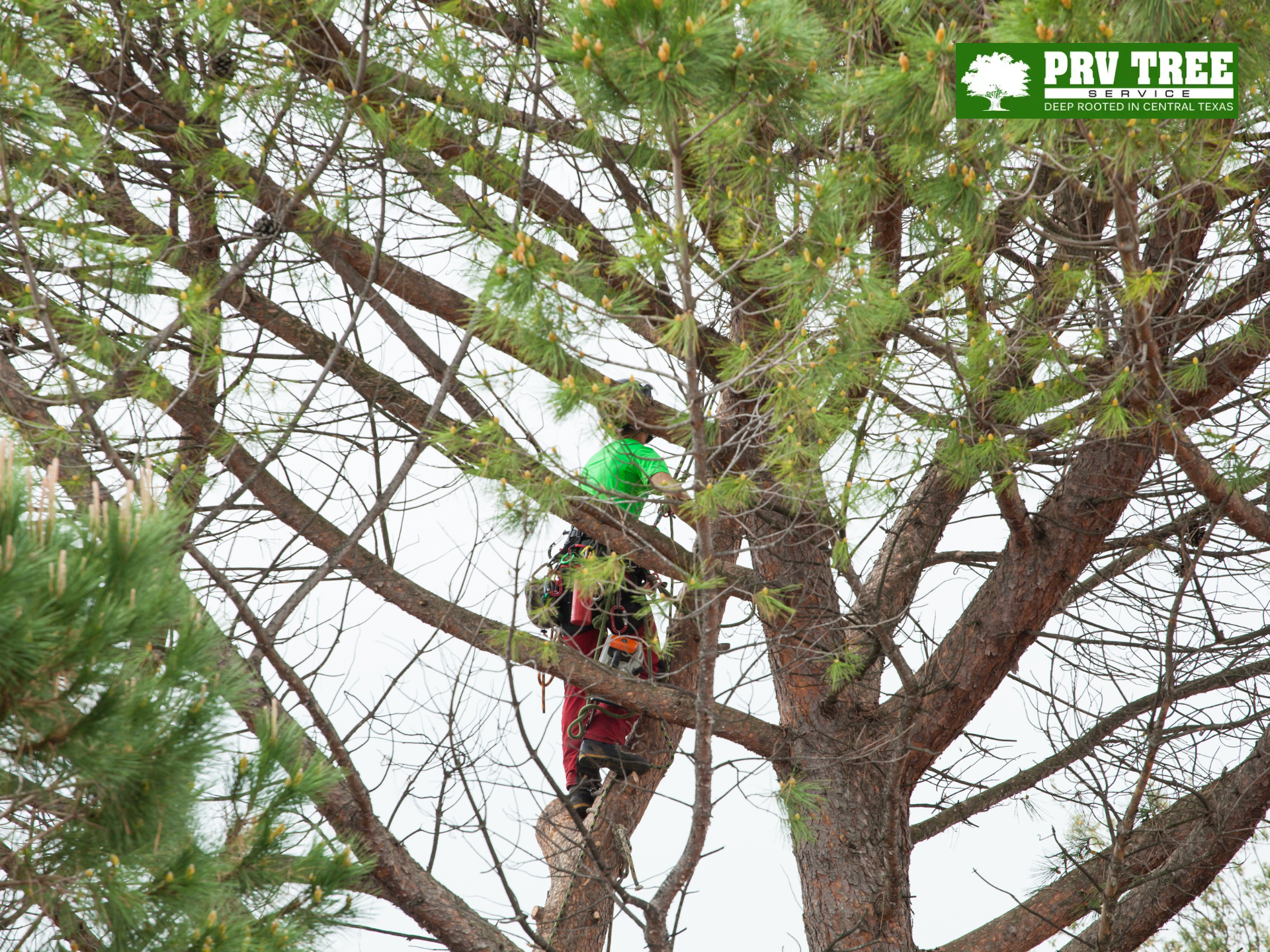
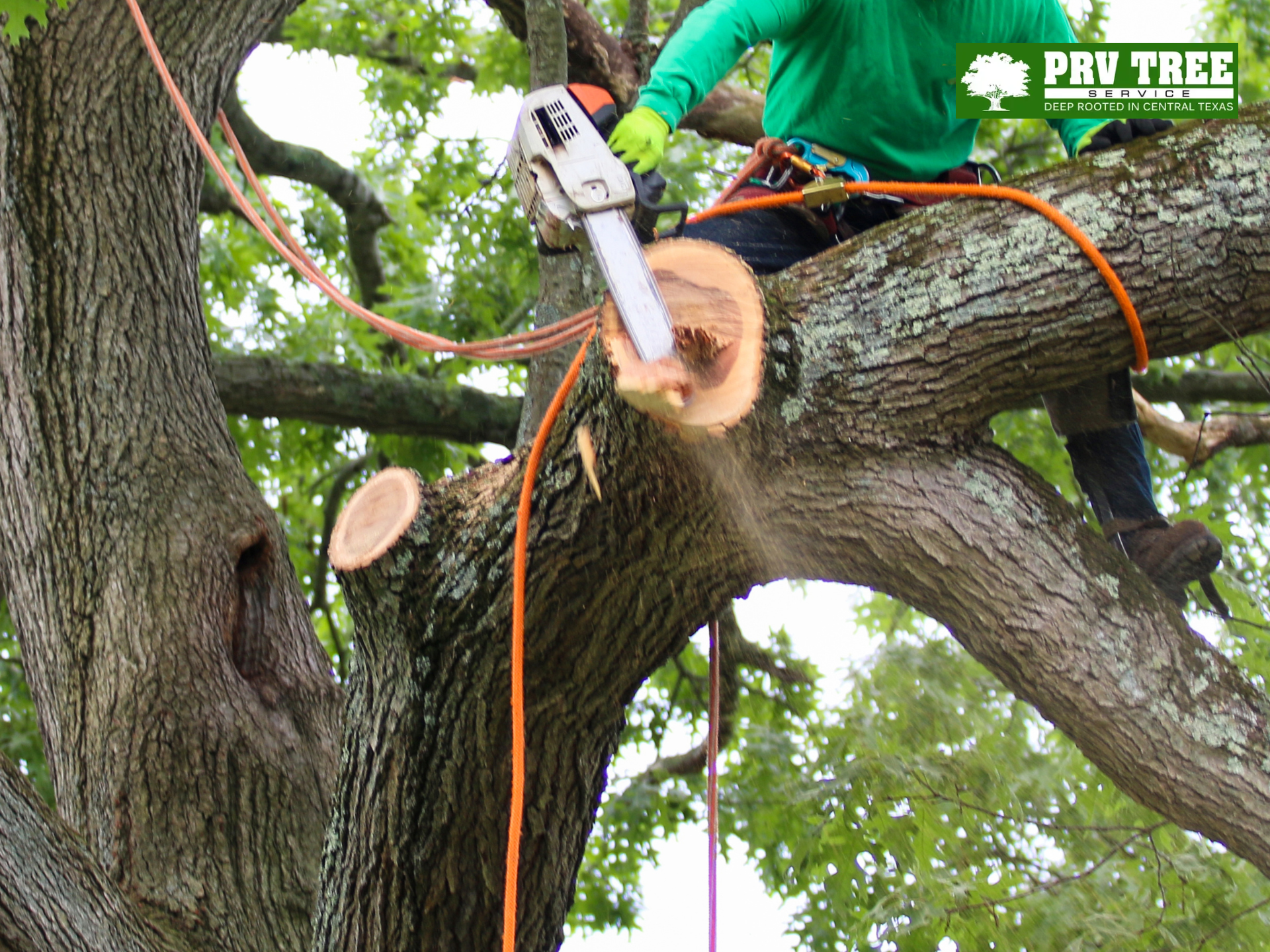
A reputable tree trimming service in Round Rock will employ certified arborists, who have been trained extensively in the art and science of planting, caring for, and maintaining trees. They are knowledgeable about the needs of trees and are trained and equipped to provide proper care. Hiring an arborist is a decision that should not be taken lightly.
Services Offered
Comprehensive tree care goes beyond just trimming; it includes an assessment of tree health, diagnosis, and treatment of disease, pest management, and advice on the care of young trees. In Round Rock, look for a tree service that offers a holistic approach to tree care, ensuring that your trees are not only trimmed but are also in good health and able to withstand the local climate conditions.